
How Often Should You Get Your Chimney Swept? The Complete Homeowner's Guide
The Short Answer: Every Year
Every chimney should be inspected and swept at least once per year — no matter what fuel type you burn, how often you use your fireplace, or how new your chimney is. That’s not just our recommendation. The Chimney Safety Institute of America (CSIA) and NFPA 211 both call for annual service across the board.
Skipping a single year might seem harmless. But creosote builds quietly between uses, animals nest in unprotected flues, and moisture silently erodes your masonry — all while you can’t see any of it from the living room. By the time you smell smoke backing up or notice crumbling mortar, you’re already dealing with a much more expensive problem than a routine sweep would have cost.
Want to understand exactly why annual sweeping matters, what factors change the frequency for your specific situation, and what happens when homeowners skip it? We’ve got you covered. This guide walks through everything.
For homeowners in the St. Louis metro area who are ready to schedule now, our chimney sweeping and chimney inspection services are available across the greater St. Louis region, including Florissant, Chesterfield, Maryland Heights, and beyond.
What CSIA and NFPA 211 Actually Say
Both major national standards call for annual chimney service. And neither makes exceptions for low usage or gas appliances. NFPA 211 states that chimneys, fireplaces, and vents shall be inspected at least once a year for soundness, freedom from deposits, and correct clearances. CSIA recommends the same: annual inspection and service for all fuel types, including gas.
NFPA 211 uses the word “shall” — that’s mandatory language in the standards world. Whether your jurisdiction has formally adopted NFPA 211 into its building code varies by location, but the guidance reflects best practice built on decades of fire investigation data.
Here’s why those standards exist:
“Failure to clean was a factor in 68% of home structure fires involving fireplaces, chimneys, or chimney connectors.” — National Fire Protection Association
That figure comes from NFPA’s analysis of home heating fires. Failure to clean is the single most preventable factor in chimney-related house fires. Annual sweeping directly addresses that risk.
For a deeper look at what a professional sweep actually involves, our chimney sweeping guide walks through the full process and what you should expect.
Sweep Frequency by Fuel Type
Your fuel type is the single biggest variable in how often your chimney needs professional attention — but “at least once a year” applies to every fuel source without exception.
Wood-Burning Fireplaces and Stoves
Wood fires produce the most creosote by far. Creosote buildup is the primary cause of chimney fires in the United States (CSIA), and it accumulates in three increasingly dangerous stages.
- Stage 1: Light, flaky, dust-like soot — easy to brush away
- Stage 2: Dense, shiny, tar-like coating — harder to remove, requires specialized tools
- Stage 3: Thick, hardened, glazed deposits — extremely difficult to remove and the most dangerous
Stage 3 creosote can auto-ignite at temperatures as low as 451 degrees Fahrenheit — well within the range of a normal fireplace fire. Heavy wood-burning households may need sweeping more than once per season, especially if they burn green or unseasoned wood. Green wood contains 40–60% moisture content and produces significantly more creosote than properly seasoned hardwood, which should measure below 20% moisture.
Annual sweeping is the minimum. If you’re burning multiple cords of wood each winter, talk to your sweep about whether a mid-season cleaning makes sense.
Gas Fireplaces and Inserts
Gas fireplaces require annual professional attention. Natural gas and propane combustion produces water vapor, carbon dioxide, carbon monoxide, and small amounts of sulfur compounds. Over time, those byproducts corrode your flue liner and create carbon monoxide hazards.
Gas appliances also attract animal intrusion. A bird nest or wasp colony in your gas flue can block exhaust and push carbon monoxide back into your home — with no visible warning sign.
We’ve written an entire article specifically about this: Do Gas Fireplaces Need to Be Swept? The short answer is yes, annually, for the same reasons that apply to wood-burning systems.
Oil-Burning Systems
Oil-burning appliances produce their own deposits and demand the same annual attention as wood and gas systems. Sulfur compounds in oil combustion are particularly corrosive to flue liners. Skipping a year can accelerate liner deterioration significantly.
Risk Factors That Increase Sweep Frequency
Some homeowners need more frequent sweeping than the annual baseline — and knowing your risk factors helps you make an informed decision.
Watch for these conditions that accelerate buildup or damage:
- Burning unseasoned or wet wood — dramatically increases creosote production
- Low-temperature fires — smoldering fires produce more creosote than hot, efficient fires
- Older masonry chimneys — deteriorating mortar and liner cracks trap debris and moisture
- No chimney cap installed — leaves your flue open to rain, animals, and debris year-round
- Heavily wooded lots — overhanging trees drop leaves, twigs, and nesting materials into open flues
- Using the fireplace as a primary heat source — high-volume use through a Missouri winter warrants mid-season cleaning
Missouri’s climate is especially tough on masonry. Freeze-thaw cycles through the St. Louis winter cause water inside masonry to expand by approximately 9 percent when it freezes, which drives progressive cracking and spalling. If you’ve noticed flaking bricks or crumbling mortar, that’s a sign to schedule masonry repair alongside your next sweep.
What Happens When You Skip a Sweep
Skipping your annual chimney sweep doesn’t just increase fire risk — it sets off a chain of damage that compounds every season. Here’s what you’re actually risking:
U.S. fire departments respond to approximately 25,000 chimney fires each year (CSIA). Many of those fires were preventable with a simple annual cleaning. Chimney fires can spread to adjacent framing, attic insulation, and roofing materials — causing thousands or tens of thousands of dollars in structural damage, or worse.
Beyond fire risk, a neglected chimney creates carbon monoxide hazards. The Centers for Disease Control and Prevention (CDC) reports that more than 400 Americans die from unintentional carbon monoxide poisoning every year, with more than 100,000 visiting the emergency room annually. A blocked or cracked flue is one of the primary pathways for CO to enter living spaces undetected.
Carbon monoxide is colorless and odorless — you cannot detect it without a functioning CO detector. A blocked flue provides no visible warning.
And then there’s the cost math. A routine chimney sweep costs a fraction of what chimney fire remediation, flue liner replacement, or smoke damage restoration costs. Every year you delay, you’re not saving money — you’re increasing exposure to a much larger bill.
If you’re seeing warning signs of chimney damage right now, our guide on signs your chimney needs repair covers what St. Louis homeowners should watch for.
The Three Levels of Chimney Inspection
Not every chimney visit is the same — knowing which inspection level you need prevents you from either overpaying or underpaying for the right service. CSIA defines three inspection levels, each suited to different situations.
Level I: Your Standard Annual Inspection
A Level I inspection covers the readily accessible portions of the chimney interior and exterior. It checks for blockages, deposits, and obvious structural issues. This is the inspection every homeowner should have once a year, whether or not they’ve had any problems.
Level II: After Major Events
A Level II inspection goes deeper — including video scanning of the flue interior. CSIA calls for a Level II inspection after any of these events:
- Buying or selling a home
- A chimney fire has occurred
- Changing fuel types (e.g., converting from wood to gas)
- A severe weather event like a lightning strike or earthquake
If you’re buying a home with an existing fireplace, a Level II inspection before closing is non-negotiable. A Level I alone won’t reveal hidden flue damage.
Level III: Concealed Structural Damage
Level III inspections are reserved for suspected concealed damage — situations where walls or other structural elements may need to be removed to fully assess the chimney system. This is the most invasive and least common inspection type, typically performed after a serious chimney fire or structural event.
Schedule Your Chimney Sweep Before Next Season
Every season you use your fireplace without a professional sweep, you’re gambling with your home, your family, and your wallet. Home heating fires from 2019-2023 resulted in an annual average of 432 civilian deaths and $1.1 billion in property damage across the U.S. (NFPA). Annual sweeping is the most effective single step you can take to stay out of those statistics.
We serve homeowners throughout the greater St. Louis metro area and surrounding communities. We’re licensed and insured, and we donate 10% of revenue to charity — so your chimney service does good beyond your own home.
Military personnel, first responders, fixed-income households, and non-profit organizations qualify for a 10% discount on all services.
Call us today at (314) 322-7122 to schedule your annual chimney inspection and sweep. Don’t wait until smoke is backing up into your living room to find out there was a problem.
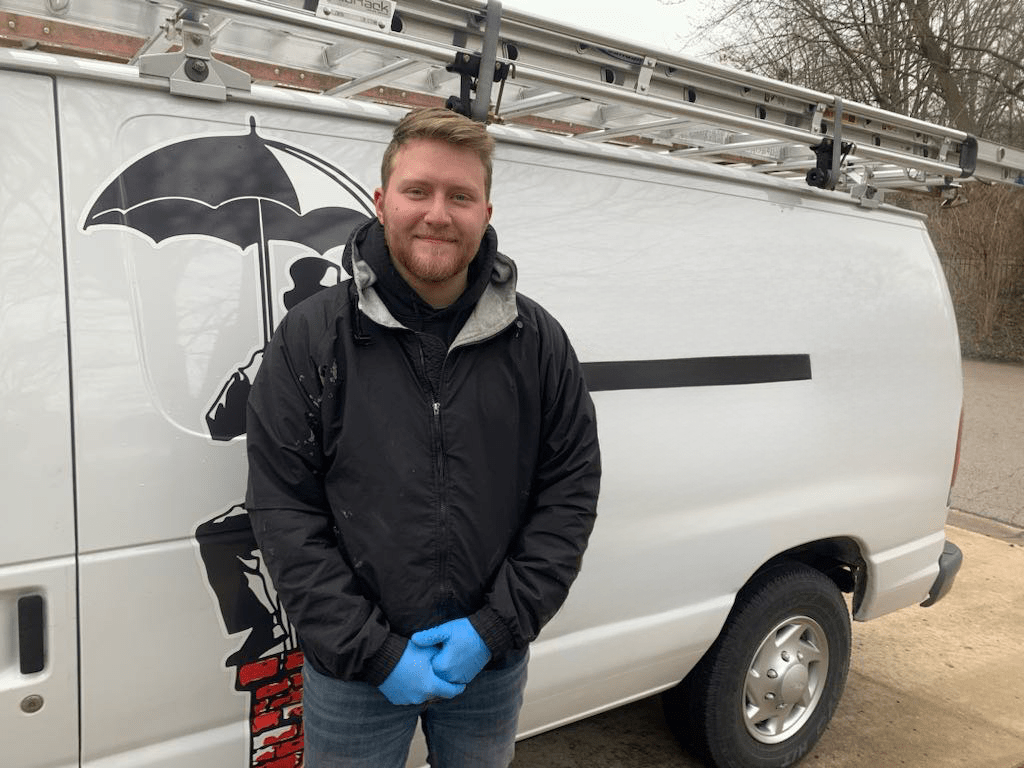
Joshua Scalf
Owner, Friendly Fire LLC
Joshua Scalf is the owner and lead technician at Friendly Fire LLC, bringing over 6 years of chimney service expertise to the greater St. Louis area.
Frequently Asked Questions
How often should I get my chimney swept?
Do gas fireplaces really need to be swept every year?
How much does a chimney sweep cost in the St. Louis area?
Can I skip my chimney sweep if I haven't used my fireplace much this year?
When is the best time to schedule a chimney sweep in Missouri?
Need Chimney Service?
Don't wait until a small problem becomes an expensive repair. Friendly Fire serves the greater St. Louis area with honest, affordable chimney services.
Licensed & insured · 10% donated to charity · Military & first responder discounts
Related Articles
Chimney Inspection Levels Explained: Level 1, 2, and 3
Don't guess which chimney inspection you need. Learn the difference between Level 1, 2, and 3 inspections—and what you risk by skipping the right one.
Signs Your Chimney Needs Repair: What St. Louis Homeowners Must Know
Ignoring chimney repair signs risks house fires, carbon monoxide poisoning, and costly structural damage. Learn the warning signs St. Louis homeowners can't…
How to Prepare Your Chimney for Winter: A Complete Homeowner's Guide
Don't risk a chimney fire this winter. Learn exactly how to prepare your chimney before heating season — from inspections to creosote removal and masonry…