
Signs Your Chimney Needs Repair: What St. Louis Homeowners Must Know
What Are the Real Chimney Repair Signs?
Chimney repair signs fall into four categories: visible masonry damage, water intrusion, draft and smoke problems, and interior firebox deterioration. When you spot even one of these warning signs, your chimney is telling you something’s wrong. Ignore it and you’re risking your home, your family, and a lot of money.
St. Louis homeowners deal with a particularly brutal environment for chimney health. Our freeze-thaw winters — temperatures swinging above and below freezing repeatedly through December, January, and February — deteriorate brick and mortar faster than anywhere mild. A small crack in the fall turns into a structural problem by spring.
If you’re using your fireplace this season, spend five minutes walking through the warning signs below. A professional chimney inspection is the only way to confirm how bad things really are, but knowing what to look for puts you ahead of the game.
Cracked Mortar and Spalling Brick
Cracked, crumbling mortar joints and spalling brick — that’s flaking brick — are the most visible repair signs you’ll spot, and they’re not just cosmetic. They’re structural. When mortar joints crack or wash away, water seeps into the masonry and freezes solid inside. Water expands about 9 percent when it freezes, and each freeze-thaw cycle opens that crack a little wider.
Left alone, this process — we call it spalling — causes bricks to pop, flake, and disintegrate from the inside out. You’ll notice:
- Brick fragments or chips on the ground near your chimney
- Mortar dust or crumbled material sitting in the firebox
- Visible gaps between bricks where mortar used to be
- Bricks that have shifted out of line
The fix is tuckpointing — we remove the damaged mortar and pack the joints with fresh, weather-resistant mortar compound. Get it done early and you’ll spend a fraction of what a full rebuild costs. Our masonry repair services handle everything from minor repointing to serious brick replacement.
Don’t mistake cosmetic weathering for structural damage. When you’re uncertain, have a certified chimney sweep look at it before assuming you can wait another season.
White Staining and Water Damage Warning Signs
White, chalky staining on the outside of your chimney — we call it efflorescence — means water is moving through your masonry. On its own it’s harmless, but it’s your chimney’s way of alerting you to a moisture problem you can’t ignore.
Efflorescence happens because water dissolves salts in the brick, then carries those minerals to the surface as it dries. What’s left behind is that white residue. If you’re seeing it outside, water’s been working its way through the structure. And it’s doing damage on the inside too.
Other water damage signs include:
- Rust stains in the firebox or on the damper
- Water pooling at the base of the firebox after rain
- Peeling paint or staining on interior walls and ceilings near the fireplace
- Musty odor when the fireplace sits cold
- A missing, cracked, or deteriorated chimney cap directing rain straight into the flue
Water is the single most destructive force working on chimneys. It destroys the flue liner, rusts metal parts, weakens the firebox, and accelerates brick deterioration. A chimney cap inspection and crown repair are usually your simplest and cheapest first moves to stop water before it becomes a full restoration.
Smoke Problems and Draft Issues Inside
If smoke backs up into your living room, your fireplace smells when it’s not running, or you catch that odor even in summer, you’ve got a draft problem — and draft problems almost always mean repair work. Proper draft carries combustion gases up and out. When it fails, those gases come back inside your home.
Draft failure points to different repairs depending on the cause:
- Blocked or restricted flue — animal nests, debris, or a collapsed liner section choke off the opening
- Cracked or damaged flue liner — gaps and cracks break the pressure differential that keeps draft moving
- Improper flue sizing — happens a lot after inserting a new appliance without relining the chimney
- Negative air pressure — tight modern homes sometimes can’t supply enough combustion air
A smoky smell when the fireplace is cold often means creosote buildup is off-gassing into your space. The Chimney Safety Institute of America identifies creosote as the leading cause of chimney fires in the U.S. About 25,000 chimney fires happen every year — and most of them involve chimneys that were way overdue for sweeping and inspection.
CSIA breaks creosote into three stages: Stage 1 is light, flaky soot that comes off relatively easy. Stage 2 is dense, shiny, tar-like. Stage 3 creosote is thick, hardened, glazed — it can auto-ignite at temperatures as low as 451 degrees Fahrenheit, well within the range of a normal fire. My chimney sweeping service removes creosote before it reaches those dangerous stages.
Want more detail on how creosote threatens your home? Read our Chimney Sweeping Guide on fire prevention and home safety.
Deteriorated Flue Liner and Firebox Damage
A cracked or deteriorating flue liner is one of the most dangerous repair signs because the damage is hidden inside where you can’t see it without a camera. That’s the real problem. The flue liner contains combustion gases and heat, protecting the surrounding framing from temperatures that can ignite wood.
When the liner cracks or develops missing sections, superheated gases and sparks can reach combustible materials in your walls. That’s how chimney fires spread into the rest of the house.
Inside the firebox itself, watch for:
- Cracked or missing firebrick on the firebox walls
- Deteriorated or crumbling refractory mortar between firebricks
- A damaged or stuck damper that won’t open or seal
- White mineral deposits or rust on the firebox floor
- Visible cracks running through the firebox corners or back wall
NFPA 211 says chimneys, fireplaces, and vents need at least one inspection per year for soundness, freedom from deposits, and correct clearances — that applies to all fuel types, including gas. If you haven’t had a Level 2 chimney inspection recently, a damaged liner could be sitting inside your chimney right now waiting to cause problems.
CSIA’s Level 2 inspection includes a video scan of the flue interior — the only way to really assess liner condition without tearing your chimney apart.
Carbon Monoxide: The Silent Repair Urgency
A damaged chimney doesn’t just risk fire — it risks carbon monoxide poisoning, which kills more than 400 Americans every year according to the CDC. CO is colorless and odorless. No detector, no warning. A cracked flue liner, blocked chimney, or stuck damper can push CO into your living space instead of outside.
Gas fireplaces carry this risk too. Natural gas and propane combustion creates water vapor, carbon dioxide, carbon monoxide, and small amounts of sulfur compounds. All of it has to vent completely through an intact, clear flue. When it doesn’t, CO builds up silently.
Warning signs CO might be entering your home through a damaged chimney:
- CO detector goes off or chirps near the fireplace
- CO exposure symptoms (headache, dizziness, nausea) that go away when you leave the house
- Yellow or orange flames on a gas appliance that should burn blue
- Excessive condensation on windows near the fireplace
The Consumer Product Safety Commission recommends CO detectors on every level of homes with gas appliances. That’s the baseline. The real protection comes from knowing your chimney is sound and venting correctly — and only a professional inspection confirms that.
After a Chimney Fire or Severe Weather Event
If you’ve had a chimney fire — even a small one you didn’t know happened — or if severe weather hit your chimney, you need a Level 2 inspection before using your fireplace again. Most chimney fires burn briefly and go undetected, but they leave behind cracked liner sections and damaged masonry that create immediate hazard the next time you light a fire.
Signs a chimney fire already occurred:
- Puffy, gray, or honey-combed creosote deposits in the firebox or lower flue
- Warped or discolored metal (damper, cap, liner sections)
- Cracked or collapsed terra cotta liner tiles visible from inside the firebox
- Strong, acrid burning smell that sticks around after cleaning
Missouri winters bring ice storms, heavy snow loads, and high winds that crack crowns, dislodge caps, and topple chimney stacks above the roofline. A visual inspection from the ground after major weather takes five minutes and costs nothing. If anything looks shifted, cracked, or gone, call before you use the fireplace again.
NFPA 211 specifically requires a Level 2 inspection after any event that might have damaged the chimney — that includes chimney fires and natural disasters. Don’t guess. Get it confirmed.
Schedule Your Chimney Inspection Before Damage Worsens
Every day a damaged chimney sits uninspected is another day of water infiltration, creosote buildup, and structural breakdown. The repair signs in this article — cracked masonry, efflorescence, draft problems, liner damage, CO risk — don’t fix themselves. They get worse.
Friendly Fire Chimney serves Woodson Terrace, MO and the greater St. Louis metro area, including Florissant, University City, Maryland Heights, Chesterfield, and surrounding communities. We’re licensed and insured, and we donate 10% of every dollar in revenue to charity. Military personnel, first responders, fixed-income and disabled households, and non-profit organizations get 10% off all services.
Call us at (314) 322-7122 to schedule your chimney inspection or masonry repair consultation. Don’t let a small crack turn into a catastrophic repair — or worse, a fire.
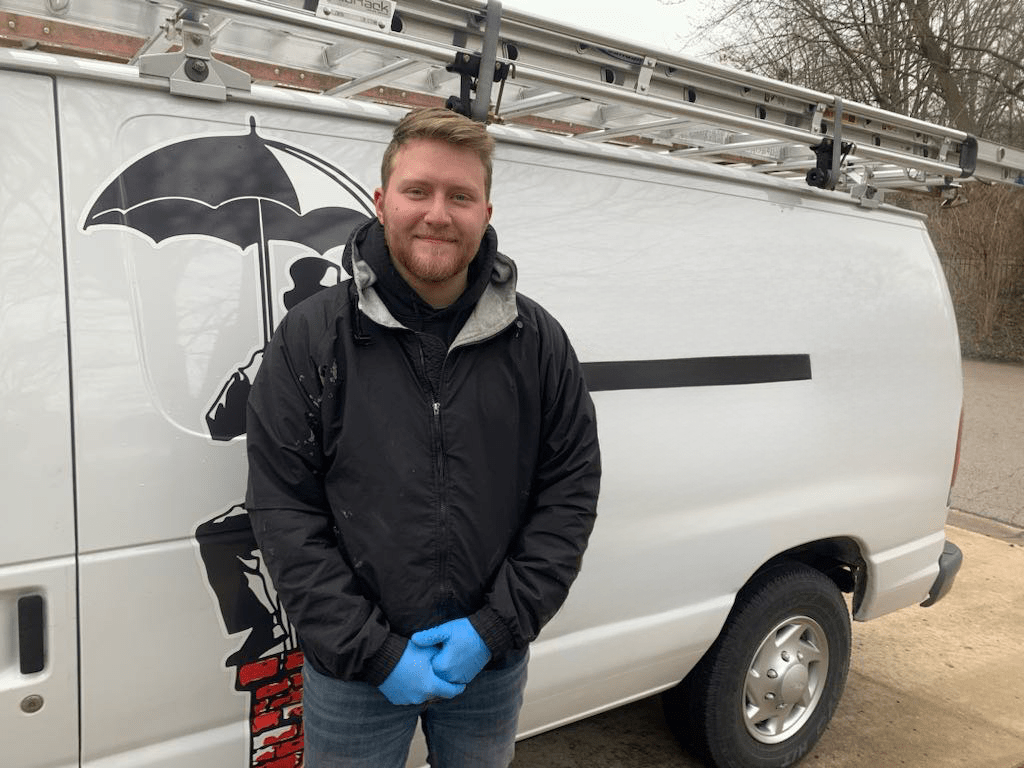
Joshua Scalf
Owner, Friendly Fire LLC
Joshua Scalf is the owner and lead technician at Friendly Fire LLC, bringing over 6 years of chimney service expertise to the greater St. Louis area.
Frequently Asked Questions
How do I know if my chimney needs repair right now?
Can a damaged chimney cause a house fire?
How often should chimneys in the St. Louis area be inspected?
Is chimney repair expensive? Should I just wait and see?
Do gas fireplaces show the same chimney repair signs as wood-burning fireplaces?
Need Chimney Service?
Don't wait until a small problem becomes an expensive repair. Friendly Fire serves the greater St. Louis area with honest, affordable chimney services.
Licensed & insured · 10% donated to charity · Military & first responder discounts
Related Articles
Tuckpointing vs Repointing: What's the Difference and Which Does Your Chimney Need?
Confusing tuckpointing and repointing could cost you thousands in chimney damage. Learn the real difference and which repair your St. Louis home actually needs.
Chimney Inspection Levels Explained: Level 1, 2, and 3
Don't guess which chimney inspection you need. Learn the difference between Level 1, 2, and 3 inspections—and what you risk by skipping the right one.
How Often Should You Get Your Chimney Swept? The Complete Homeowner's Guide
Don't risk a chimney fire this season. Learn exactly how often you should get your chimney swept based on fuel type, usage, and NFPA 211 guidelines.