
Chimney Inspection Levels Explained: Level 1, 2, and 3
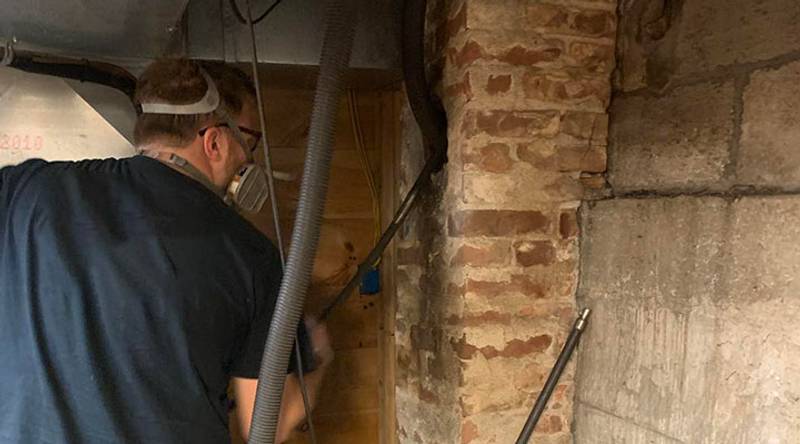
What Are Chimney Inspection Levels?
Chimney inspection levels are a standardized framework that defines how thoroughly a chimney gets examined based on your situation. Three levels exist — Level 1, Level 2, and Level 3 — each one escalating in scope, access, and diagnostic depth. Pick the wrong one and you’re either overpaying or, worse, missing a problem that could burn your house down.
The Chimney Safety Institute of America (CSIA) and NFPA 211 both lay out the three inspection types and what triggers each. These aren’t arbitrary. They exist because different situations expose different risks.
If you’re burning wood in St. Louis, you need to know which level applies to you. Getting the wrong level is just as much a problem as skipping the inspection entirely. A Level 1 walk-through won’t catch structural damage hiding inside the flue. A Level 3 when you only needed a Level 1 costs money you don’t need to spend.
This guide breaks down each level in plain language — what it covers, when you need it, and what’s at stake if you skip it.
Level 1: Your Standard Annual Inspection
A Level 1 inspection is the baseline checkup every homeowner needs once a year. It covers all readily accessible areas — the firebox, visible flue liner sections, the damper, the exterior masonry, and the chimney cap — without specialized equipment or any removal of components.
NFPA 211 calls for annual inspections on all fuel-burning appliances, including gas fireplaces. Many homeowners assume gas fireplaces require minimal maintenance. However, CSIA recommends annual inspection and service for gas appliances just as for wood-burning systems. Natural gas combustion produces water vapor, carbon deposits, and corrosive byproducts that degrade the flue liner and venting system over time.
During a Level 1, a certified technician checks for:
- Creosote buildup in the firebox and visible flue sections
- Blockages from debris or animal intrusion
- Damper operation and condition
- Visible cracks or deterioration in the firebox and smoke chamber
- Chimney cap and crown condition
- Exterior masonry integrity
The technician confirms the flue is free of deposits and obstructions that could restrict safe operation. This is also when your tech tells you whether a chimney sweeping is needed before your next burn season.
When to schedule a Level 1: Once a year, every year — ideally before winter heating season. If you burn wood regularly, CSIA recommends pairing it with a sweep. Our complete guide to chimney sweeping explains what that process looks like and how it protects your home.
Level 2: The Inspection You Need More Often Than You Think
A Level 2 inspection is more thorough and required whenever circumstances change — and those circumstances happen more often than most homeowners realize. This level includes everything in Level 1, plus an inspection of all accessible areas of the chimney interior and exterior, including attics, crawl spaces, and basements where relevant. Most critically, it requires video scanning of the flue liner.
NFPA 211 identifies specific triggers for a Level 2:
- Sale or transfer of the property
- A chimney fire has occurred
- A change in fuel type or appliance
- After any natural disaster or seismic event
- After severe weather that may have affected the chimney
That list is longer than most people expect. Selling your home? Level 2. Switching from a wood-burning fireplace to a fireplace insert? Level 2. Had that bad windstorm rip through St. Louis last spring and noticed something off with your draft? Level 2.
The video scanning requirement is what separates Level 2 from everything else. A Level 2 calls for scanning of the internal surfaces of the flue. This lets your technician see hairline cracks, spalling tile, and gaps in the flue liner that are completely invisible from the firebox opening or the roofline.
Why the Video Scan Matters
Approximately 25,000 chimney fires occur each year in the United States, according to CSIA. Creosote buildup is the primary cause — and creosote accumulates inside the flue liner where you can’t see it without a camera.
NFPA 211 specifically calls for a Level 2 following any event that may have caused damage. A chimney fire — even one you didn’t know you had — can crack terracotta flue tiles along their entire length while leaving the exterior masonry looking completely normal. That crack becomes a pathway for flames to reach your home’s framing.
The video scan makes those cracks visible. That’s why a Level 2 inspection is the single most important diagnostic tool available to a homeowner buying, selling, or modifying their heating system. Our chimney inspection service includes video scanning as part of every Level 2.
If you’ve seen signs your chimney needs repair — staining on the ceiling, efflorescence on the masonry, or a persistent smoky smell — a Level 2 inspection is where you start.
Level 3: When the Problem Is Hidden in the Structure
A Level 3 inspection is the most invasive level, reserved for situations where serious concealed damage is suspected. It includes everything in Levels 1 and 2, and adds the removal of building components — chimney caps, interior wall sections, or other structural elements — to access areas that can’t be reached any other way.
NFPA 211 outlines when a Level 3 is appropriate: when a Level 1 or Level 2 has identified a hazard that can’t be fully evaluated without accessing concealed spaces. The technician accesses and examines areas that can only be reached through partial removal of structural components.
This is not routine work. A Level 3 is diagnostic surgery. You’re not scheduling it because it’s been a year. You’re scheduling it because something found in a Level 2 points to a problem buried inside the chimney structure that must be confirmed and addressed.
Common triggers include:
- Suspected damage to the chimney chase behind finished walls
- A chimney fire that appears to have extended beyond the flue
- Structural movement or settlement affecting the chimney
- Evidence of hidden moisture intrusion causing internal decay
The cost reflects the labor involved in safe, controlled removal and reassembly of building components. Any damage discovered at this stage will typically require masonry repair or full flue relining before the appliance can be used safely again.
NFPA 211 is explicit: damaged or deteriorated flue liners must be addressed before the chimney returns to service. A Level 3 inspection confirms the scope of that damage — and protects your home from a fire that would otherwise be completely invisible until it’s too late.
What NFPA 211 Actually Says About Inspections
NFPA 211 is the national standard that governs chimney, fireplace, and venting system inspections — and it’s more specific than most homeowners realize. Understanding what it calls for helps you push back when someone tells you annual inspections aren’t necessary.
NFPA 211 states that chimneys, fireplaces, and venting systems shall be inspected at least once a year for soundness, freedom from deposits, and correct clearances. This applies to every fuel type. NFPA 211 is a standard, not a federal law — but many jurisdictions have adopted it into their building codes, and it represents the accepted professional standard of care for chimney safety.
Failure to clean chimneys and flues is a factor in 68% of home structure fires involving fireplaces, chimneys, or chimney connectors. — NFPA
That number makes the argument simple. Skipping an annual inspection isn’t just inconvenient — it’s statistically dangerous. U.S. fire departments responded to an estimated average of 38,881 home heating equipment fires per year from 2019 to 2023, resulting in 432 civilian deaths, 1,352 injuries, and $1.1 billion in property damages.
NFPA 211 establishes the minimum level of inspection based on circumstances — meaning your situation determines which level you need, not your preference. A technician is always permitted to recommend a higher inspection level if conditions observed warrant it.
If you’re in the St. Louis metro, these standards apply to your home just as they do anywhere in the country.
Common Mistakes Homeowners Make with Inspections
The most expensive chimney mistake isn’t having a bad inspection — it’s skipping one altogether. Here are the errors we see most often among St. Louis area homeowners.
Assuming last year’s inspection is still good enough. A lot can change in a year. Missouri winters create significant freeze-thaw stress on masonry. Water expands by approximately 9 percent when it freezes, and that expansion works against brick and mortar every single cold season. What passed inspection in March 2025 may have new cracks by March 2026.
Getting a Level 1 when you needed a Level 2. Homeowners who recently experienced a chimney fire — sometimes without knowing it — or who are planning to switch appliances often settle for a standard annual inspection. That leaves the damage that triggered the Level 2 requirement unexamined.
Burning wood without a recent inspection. Creosote exists in three stages of severity. Stage 3 glazed creosote can auto-ignite at temperatures as low as 451 degrees Fahrenheit — well within the range of a normal fireplace fire. If you’ve been burning without an inspection, you don’t know which stage of creosote is lining your flue right now.
Assuming gas fireplaces don’t need inspections. They do. CSIA explicitly recommends annual inspection and service for gas appliances. Our post on why gas fireplaces need sweeping covers exactly what’s at stake.
Not scheduling before peak season. If you’re planning to use your fireplace in the coming winter and waiting until November to book, you’ll be competing with every other homeowner in the region. Schedule your inspection in late summer or early fall — before the rush.
Schedule Your Chimney Inspection Today
Waiting on a chimney inspection doesn’t save you money — it puts you in line for a much bigger bill. Whether you need a routine Level 1 checkup, a Level 2 inspection before a home sale, or a diagnostic Level 3 after a suspected structural event, we’re here to help.
We serve Woodson Terrace, MO and the entire greater St. Louis metro. Our technicians are licensed and insured, and we donate 10% of every dollar in revenue to charity. We also offer a 10% discount for military personnel, first responders, fixed-income and disabled households, and non-profit organizations.
Call us today at (314) 322-7122 to schedule your chimney inspection — or to ask which level is right for your situation.
Joshua Scalf
Owner, Friendly Fire LLC
Joshua Scalf is the owner and lead technician at Friendly Fire LLC, bringing over 6 years of chimney service expertise to the greater St. Louis area.
Frequently Asked Questions
How often do I need a chimney inspection?
Do I need a Level 2 inspection when selling my home in St. Louis?
Is a Level 2 inspection required after a chimney fire?
How much does a chimney inspection cost, and is it worth it?
Can I do a chimney inspection myself instead of hiring a professional?
Need Chimney Service?
Don't wait until a small problem becomes an expensive repair. Friendly Fire serves the greater St. Louis area with honest, affordable chimney services.
Licensed & insured · 10% donated to charity · Military & first responder discounts
Related Articles
How Often Should You Get Your Chimney Swept? The Complete Homeowner's Guide
Don't risk a chimney fire this season. Learn exactly how often you should get your chimney swept based on fuel type, usage, and NFPA 211 guidelines.
Common Chimney Problems in Older St. Louis Homes
Older St. Louis homes hide costly chimney problems. Discover the most common issues—and what you're risking by leaving them undetected—before they become…
How to Prepare Your Chimney for Winter: A Complete Homeowner's Guide
Don't risk a chimney fire this winter. Learn exactly how to prepare your chimney before heating season — from inspections to creosote removal and masonry…