
Chimney Cleaning in St. Louis: What Every Homeowner Needs to Know
Why St. Louis Homes Need Chimney Cleaning
Chimney cleaning isn’t optional maintenance — it’s the single most important thing you can do to prevent a house fire from your fireplace. In the St. Louis metro area, fireplaces and wood stoves work hard through Missouri’s cold winters, and that seasonal use creates a dangerous buildup that most homeowners never see.
The Chimney Safety Institute of America (CSIA) reports that approximately 25,000 chimney fires occur every year in the United States. The National Fire Protection Association found that failure to clean chimneys was a factor in 68% of home structure fires involving fireplaces, chimneys, or chimney connectors. That’s not a fringe statistic — that’s the majority of chimney-related house fires tracing back to a single preventable cause.
If you’re using your fireplace regularly and haven’t scheduled a chimney sweeping appointment in the past 12 months, you’re carrying risk you don’t have to. Whether you’re in the greater St. Louis area, the physics are the same: incomplete combustion leaves behind flammable deposits, those deposits accumulate, and eventually they can ignite.
NFPA 211 calls for annual chimney inspection and cleaning as a baseline for all chimneys and venting systems. This isn’t a technicality. It’s the industry standard that protects your family and your home.
What Happens Inside Your Chimney Without Cleaning
Every fire you burn deposits creosote on the walls of your flue liner, and that buildup gets more dangerous with every heating season you skip. Understanding what’s actually happening in there makes it much easier to understand why annual cleaning isn’t something to defer.
Creosote forms in three distinct stages:
- Stage 1 — Light, flaky, dust-like soot. Easy for us to brush away.
- Stage 2 — Dense, shiny, tar-like coating. Harder to remove and already a fire hazard.
- Stage 3 — Thick, hardened, glazed deposits. Extremely difficult to remove and the most dangerous stage.
Stage 3 glazed creosote is particularly alarming. It can auto-ignite at temperatures as low as 451 degrees Fahrenheit — well within the normal operating range of a fireplace fire. Once glazed creosote ignites, you’ve got a chimney fire, and chimney fires can breach the flue liner and spread to your home’s structure.
The fuel you burn makes a significant difference. Green (unseasoned) wood contains 40-60% moisture content, forcing the fire to burn energy just evaporating water before combustion even begins. That incomplete combustion dumps far more creosote into your flue. Properly seasoned hardwood with moisture content below 20% burns cleaner and dramatically slows creosote accumulation. But even when burning seasoned wood correctly, annual cleaning remains essential.
Read more about this in our detailed guide: Creosote Buildup: What Every Homeowner Should Know.
How Often Should You Schedule Chimney Cleaning
The short answer: every 12 months, regardless of how much you used your fireplace last season. NFPA 211 calls for annual inspection and cleaning for all chimneys and venting systems — wood-burning, gas, and pellet fuel alike.
The CSIA reinforces this with the same guidance: annual inspection and service for all fuel types, including gas. Many St. Louis homeowners are surprised to learn that gas fireplaces require professional attention too. Gas combustion produces water vapor, carbon dioxide, and small amounts of corrosive compounds that degrade flue liners over time. And bird nests, debris, and animal intrusion affect gas flues just as readily as wood-burning ones.
You should increase frequency if any of these apply:
- You burn wood more than three times per week during the heating season
- You frequently burn green or unseasoned wood
- You’ve noticed smoke backing up into your living space
- Your fireplace hasn’t been inspected since you bought the home
For St. Louis homeowners with fireplace inserts, the cleaning schedule is no different — inserts still connect to your chimney flue and require the same annual attention.
Not sure what level of inspection you need alongside your cleaning? Our guide to chimney inspection levels explains the difference between Level 1, 2, and 3 inspections so you know exactly what to ask for.
What a Professional Chimney Cleaning Includes
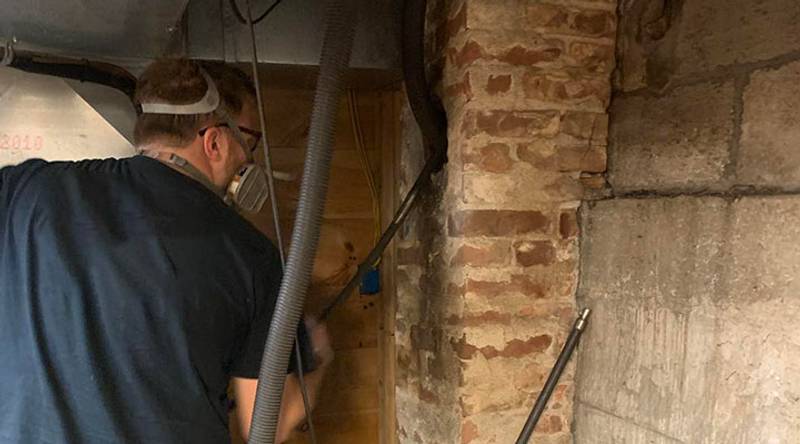
A certified chimney sweep does far more than brush soot off the flue walls — we’re performing a safety inspection of your entire venting system. Here’s what a professional chimney sweeping appointment typically covers.
A Level 1 inspection, as defined by the CSIA and outlined in NFPA 211, covers all readily accessible areas of the chimney system. We check for deposits, blockages, and anything that could obstruct proper venting.
During a standard cleaning appointment, our crew examines and addresses:
- Flue liner condition — cracks, spalling, or deterioration that could allow heat or gases to escape into your home’s structure
- Creosote buildup level — Stage 1 is brushed away; Stage 2 and 3 may require chemical treatments
- Chimney cap and crown — missing or damaged caps let water, birds, and debris in
- Damper operation — a stuck or corroded damper is both an energy waster and a safety issue
- Firebox and smoke chamber — the firebox lining and smoke chamber walls are inspected for cracks
- Exterior masonry — visible cracks, spalling mortar joints, and water damage signs
If we find cracked mortar joints or deteriorating brickwork, that’s a separate service. Learn more about what those repairs involve in our article on signs your chimney needs repair.
NFPA 211 states that evidence of damage requires a thorough inspection before continued use — which is exactly why combining cleaning with a professional inspection makes sense.
The Real Cost of Skipping Chimney Cleaning in St. Louis
The cost of a chimney fire isn’t measured in hundreds of dollars — it’s measured in thousands or tens of thousands, plus the risk to your family’s lives. A professional chimney cleaning costs a fraction of what a chimney fire costs to remediate, and that math applies throughout the greater St. Louis metro area.
Beyond the fire risk, there’s a quieter danger most homeowners underestimate: carbon monoxide. The Centers for Disease Control and Prevention reports that more than 400 Americans die from unintentional carbon monoxide poisoning every year, with more than 100,000 visiting the emergency room. A blocked or deteriorating chimney flue can cause CO to back-draft into your living space instead of venting safely outdoors.
Carbon monoxide is colorless and odorless — you will not detect it without a working CO detector. But even with detectors in place, the safest approach is keeping your venting system clean, clear, and properly maintained.
The EPA’s own data on open-hearth fireplaces is sobering for efficiency reasons too: most traditional open fireplaces lose over 90% of their heat out the chimney, often pulling conditioned air from other rooms in the process. A clean, well-maintained chimney at least ensures the system operates at its designed efficiency rather than worse.
Don’t skip the sweep to save money. The math doesn’t work.
Choosing the Right Chimney Sweep in St. Louis
Not all chimney services are equal — choosing a licensed, insured, and certified sweep protects you from substandard work that leaves hidden hazards behind. When you’re evaluating chimney cleaning companies in the St. Louis area, here’s what we’d look for.
Find CSIA-certified sweeps. The CSIA credential means the technician has passed standardized testing on chimney safety, building codes, and proper cleaning techniques. It’s not just a piece of paper — it’s your assurance that the person inspecting your flue liner knows what they’re looking at.
Verify that the company is licensed and insured. This protects you if something goes wrong during the service. Ask for proof before anyone climbs on your roof.
A trustworthy sweep will give you a written report of findings — not just a verbal summary. If your sweep finds Stage 2 or Stage 3 creosote, cracked flue tiles, or deteriorating masonry, you deserve documentation of what was found and what the recommended next step is.
Ask specifically about what the appointment includes. A cleaning without an inspection leaves you half-protected. Per NFPA 211, cleaning and necessary repairs go hand in hand with the annual inspection — they’re not separate optional add-ons.
We serve homeowners throughout the St. Louis metro area. We’re licensed, insured, and committed to doing the job right the first time.
Schedule Your St. Louis Chimney Cleaning Today
Every week you wait is another week your flue carries undetected creosote buildup, a potential blockage, or a crack in the liner you can’t see from your living room. Don’t let a preventable fire or a carbon monoxide hazard be the reason you finally pick up the phone.
We serve homeowners across the greater St. Louis metro area and surrounding communities. We’re licensed and insured, and we donate 10% of revenue to charity because we believe in doing business the right way. Military personnel, first responders, fixed-income households, and non-profit organizations receive a 10% discount on services.
Call us today at (314) 322-7122 to schedule your chimney inspection and cleaning. Or book online and we’ll get you on the schedule before the next heating season sneaks up on you.
Joshua Scalf
Owner, Friendly Fire LLC
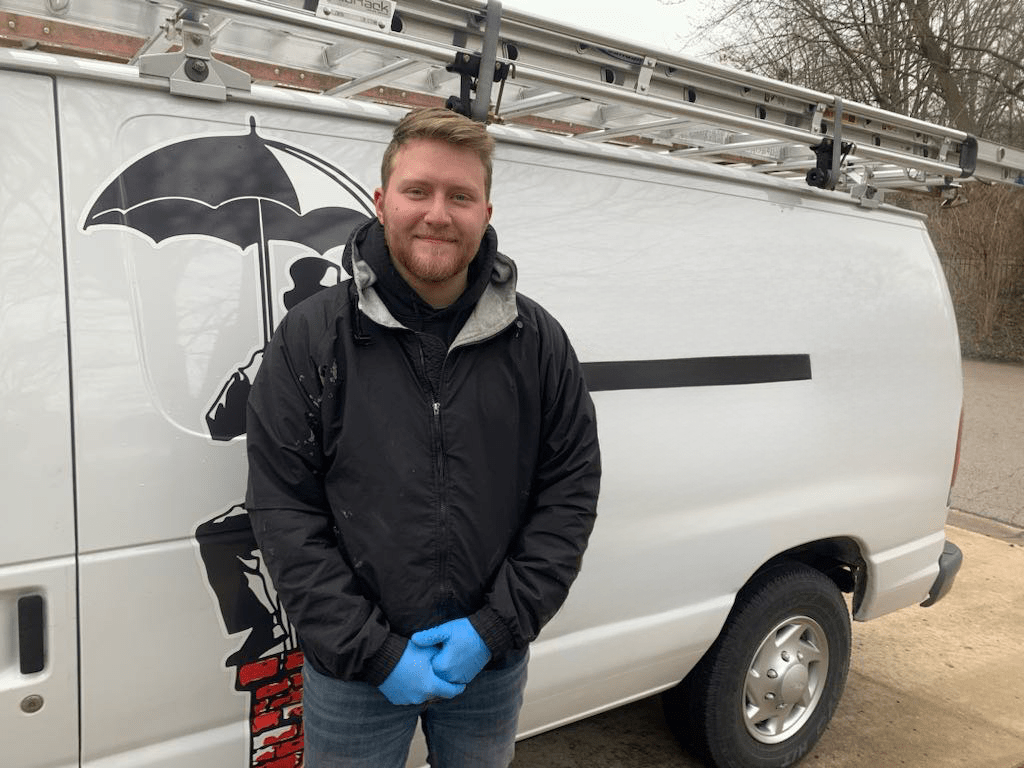
Joshua Scalf is the owner and lead technician at Friendly Fire LLC, bringing over 6 years of chimney service expertise to the greater St. Louis area.
Frequently Asked Questions
How often should I get my chimney cleaned in St. Louis?
How much does chimney cleaning cost in St. Louis?
Can I clean my chimney myself instead of hiring a professional?
Do gas fireplaces in St. Louis need chimney cleaning too?
What is creosote and why is it dangerous?
Need Chimney Service?
Don't wait until a small problem becomes an expensive repair. Friendly Fire serves the greater St. Louis area with honest, affordable chimney services.
Licensed & insured · 10% donated to charity · Military & first responder discounts
Related Articles
Complete Chimney Services in St. Louis: What Every Homeowner Needs to Know
Don't risk a chimney fire or carbon monoxide leak. Discover the complete chimney services St. Louis homeowners need to stay safe — and what you're losing by…
What to Expect During a Chimney Sweep Appointment: A Complete Homeowner's Guide
Don't skip your chimney sweep appointment. Learn exactly what happens step-by-step and what you risk by waiting. Serving St. Louis homeowners.
Common Chimney Problems in Older St. Louis Homes
Older St. Louis homes hide costly chimney problems. Discover the most common issues—and what you're risking by leaving them undetected—before they become…