
What to Expect During a Chimney Sweep Appointment: A Complete Homeowner's Guide
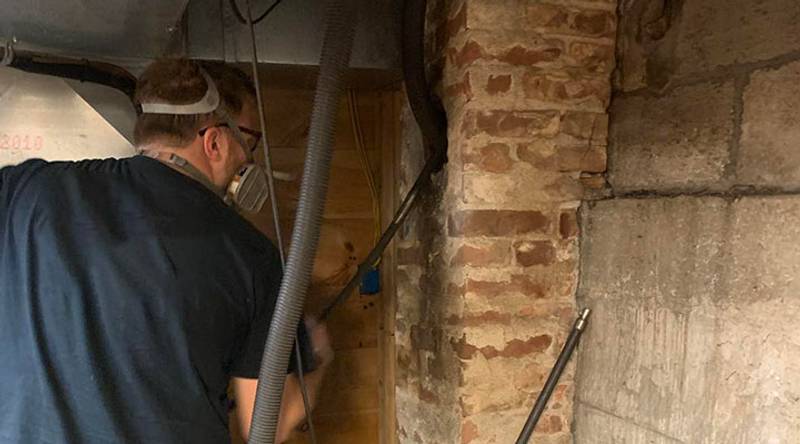
What a Chimney Sweep Appointment Actually Does
A chimney sweep appointment does two things at once: it removes dangerous buildup from your flue, and it gives a trained technician the chance to spot problems before they become emergencies. Most St. Louis homeowners are surprised by how thorough the process is — it’s far more than running a brush through the chimney.
The Chimney Safety Institute of America (CSIA) recommends annual chimney inspection and service for all fuel types, including gas. NFPA 211 reinforces this, calling for yearly inspection of every chimney, fireplace, and vent for soundness, freedom from deposits, and proper clearances. This isn’t a suggestion — it’s the industry standard that fire safety professionals rely on.
Creosote buildup is the primary cause of chimney fires in the United States, according to CSIA. Approximately 25,000 chimney fires occur each year nationwide. Many of those fires were preventable with a single annual appointment.
If you’re a first-time fireplace owner in St. Louis or a longtime homeowner in surrounding areas, knowing exactly what to expect takes the mystery out of the process — and makes it easier to say yes to the appointment that protects your home.
Explore what chimney sweeping and chimney inspections actually involve before your technician arrives.
Before the Technician Arrives: How to Prepare
The most important thing you can do before a chimney sweep appointment is make the fireplace and surrounding area accessible. A few minutes of preparation makes the job smoother and protects your furniture and décor from any accidental disturbance.
Here’s what to do in advance:
- Clear a 3-foot work zone around the fireplace opening — move rugs, furniture, and decorative items
- Remove fireplace tools, screens, and glass doors if possible, or leave them accessible for the technician to remove
- Don’t build a fire in the 24 hours before the appointment — a cold fireplace is easier and safer to work in
- Secure pets in another room — the equipment is loud and unfamiliar smells can stress animals
- Note any concerns you’ve observed: smoke backing up, unusual odors, sounds from the chimney, or visible cracks
If you’ve noticed any of the warning signs your chimney needs repair, write them down before the technician arrives. That information helps them know where to look.
Don’t worry about the mess. A professional sweep arrives with drop cloths, containment systems, and HEPA-filtered vacuum equipment. Your job is simply to clear the space — theirs is to keep it clean.
Step-by-Step: What Happens During the Appointment
A professional chimney sweep appointment follows a predictable sequence — setup, inspection, cleaning, and final review — and each step matters. Here’s what to expect from start to finish.
1. Setup and Protection
The technician lays drop cloths over your hearth and surrounding floor, then connects a high-powered vacuum to the fireplace opening. This creates negative pressure inside the firebox, so soot and debris get pulled into the machine rather than your living room.
2. Visual Inspection of Accessible Areas
Before any brushing begins, the sweep examines what’s visible. This typically includes the firebox, damper, smoke chamber, and chimney crown. A Level 1 inspection, as defined by CSIA, covers all readily accessible areas without the use of specialized equipment. Your technician is looking for:
- Creosote accumulation at any of its three stages (flaky Stage 1, tar-like Stage 2, or hardened Stage 3)
- Damper condition — proper operation and seal
- Debris or blockages such as leaves, nesting materials, or animal intrusion
- Visible cracks in the flue liner or smoke chamber
To learn more about what each inspection level involves, read our detailed breakdown: Chimney Inspection Levels Explained: Level 1, 2, and 3.
3. Flue Cleaning
The sweep uses wire chimney brushes sized specifically to your flue dimensions, working from the top of the chimney down or from the firebox up, depending on the setup. Rotary brush systems or extension rods work through the full length of the flue liner, loosening creosote and debris. The vacuum system captures everything as it falls.
This process removes Stage 1 creosote easily. Stage 2 deposits — the dense, tar-like coating — require more aggressive brushing and may need a chemical pre-treatment. Stage 3 glazed creosote is the most dangerous, and according to verified data, it can auto-ignite at temperatures as low as 451°F — well within the range of a normal fireplace fire. A professional will tell you honestly if Stage 3 removal is needed and explain what that process involves.
Read more about how creosote buildup develops and why it’s so hazardous.
4. Camera Inspection (If Applicable)
For a Level 2 inspection — which NFPA 211 calls for during real estate transactions, after a chimney fire, or when changing fuel types — your technician will run a video camera through the flue. This reveals hairline cracks in the flue liner, gaps in the liner joints, and deterioration inside the chimney that no brush or mirror can catch. Video scanning is specifically part of a Level 2 scope.
5. Final Walkthrough and Report
After cleaning, the technician walks you through what they found. A good sweep doesn’t just hand you a receipt — they show you photos or video if a camera was used, explain any issues in plain language, and prioritize what needs attention now versus what can be monitored over time.
What the Sweep Is Actually Looking For
Beyond removing creosote, your chimney sweep is performing a safety assessment of the entire venting system — and some of what they find can surprise even long-time homeowners.
NFPA 211 calls for annual inspection covering soundness of the chimney structure, freedom from hazardous deposits, and verification of proper clearances. NFPA 211 further notes that cleaning and repairs identified during inspection should be carried out promptly.
Here are the specific items a trained sweep evaluates:
- Flue liner integrity — cracks, spalling, or missing sections that allow combustion gases to escape into the home; damaged or deteriorated liners are a critical safety concern
- Chimney cap condition — a missing or damaged cap lets rain, debris, and animals into the flue
- Chimney crown — the mortar wash at the top of the chimney that prevents water intrusion
- Damper operation — a stuck or corroded damper prevents proper draft and allows cold air infiltration
- Smoke chamber — the parged surface above the firebox that guides smoke into the flue
- Masonry condition — spalling brick, cracked mortar, or deteriorating tuckpointing
Missouri’s freeze-thaw cycles are hard on masonry. Water expands by approximately 9 percent when it freezes, which means St. Louis winters accelerate chimney deterioration year over year. If your sweep spots early masonry damage, addressing it with masonry repair now prevents far more expensive structural work later.
If there’s evidence of previous damage — odor, smoke staining, or visible cracking — an inspection is required before further use. Don’t wait.
What Happens If Problems Are Found
Finding a problem during your chimney sweep appointment is not a reason to panic — it’s the reason you scheduled the appointment in the first place. Early detection is always better than discovering the issue mid-winter when your fireplace is in heavy use.
The most common findings fall into a few categories:
Minor issues (no immediate action required, monitor going forward):
- Light Stage 1 creosote — addressed during the sweep itself
- Slightly worn mortar joints on the crown
- Minor smoke staining inside the firebox
Moderate issues (schedule repairs within the season):
- Stage 2 creosote requiring chemical treatment or additional cleaning
- Damaged or missing chimney cap
- Deteriorating tuckpointing on the chimney exterior
Urgent issues (do not use the fireplace until resolved):
- Cracked or separated flue liner sections
- Stage 3 glazed creosote requiring professional removal
- Confirmed structural damage to the chimney
NFPA 211 is clear that an operating malfunction — including smoke spillage, poor draft, or unusual odors — warrants inspection before continued use. A technician who tells you to stop using your fireplace until repairs are made is protecting you, not upselling.
If a Level 2 inspection reveals concealed damage, the circumstances may elevate the need to a Level 3, which may involve accessing concealed areas of the structure.
Failure to clean is a factor in 68% of home structure fires involving fireplaces, chimneys, or chimney connectors, according to NFPA data. An unaddressed problem found during a sweep is exactly the kind of issue that statistic is built on.
Gas Fireplaces and Dryer Vents: Don’t Skip These
Gas fireplace owners often assume they don’t need a chimney sweep appointment — that assumption is one of the most common and costly mistakes we see. Natural gas and propane combustion produces water vapor, carbon dioxide, carbon monoxide, and small amounts of sulfur compounds. These byproducts corrode the flue liner, and blockages from animal intrusion or debris affect gas appliances just as seriously as wood-burning ones.
CSIA recommends annual inspection for all fuel types. NFPA 211 calls for inspection of all chimneys, fireplaces, and vents — gas included — at least once per year. According to the CDC, more than 400 Americans die from unintentional carbon monoxide poisoning every year. A blocked or corroded gas flue is a direct CO risk.
Your dryer vent deserves the same attention. Industry estimates indicate that a clogged dryer vent can increase energy consumption by up to 30 percent, and it dramatically increases fire risk. NFPA data from 2010–2014 shows that failure to clean the dryer was the leading factor in one-third of home fires involving clothes dryers.
Many of our St. Louis customers add a dryer vent cleaning to their chimney appointment. It’s a smart way to address two of the most overlooked fire hazards in one visit.
For a deeper look at the gas fireplace question, read: Do Gas Fireplaces Need to Be Swept? Yes, Here’s Why.
Schedule Your Chimney Sweep Appointment Today
Every season you delay your chimney sweep appointment is a season you’re burning with unknown creosote levels, uninspected flue liner sections, and undetected blockages. That’s not a small risk — it’s the kind of risk that results in chimney fires, carbon monoxide exposure, and structural damage that costs thousands of dollars to repair.
Friendly Fire serves homeowners throughout the greater St. Louis metro area. We’re licensed and insured, and we donate 10% of every dollar of revenue to charity. Military personnel, first responders, fixed-income households, and non-profit organizations receive a 10% discount on all services.
Call us at (314) 322-7122 to schedule your chimney sweep appointment. For homeowners who take chimney safety seriously, one call is all it takes.
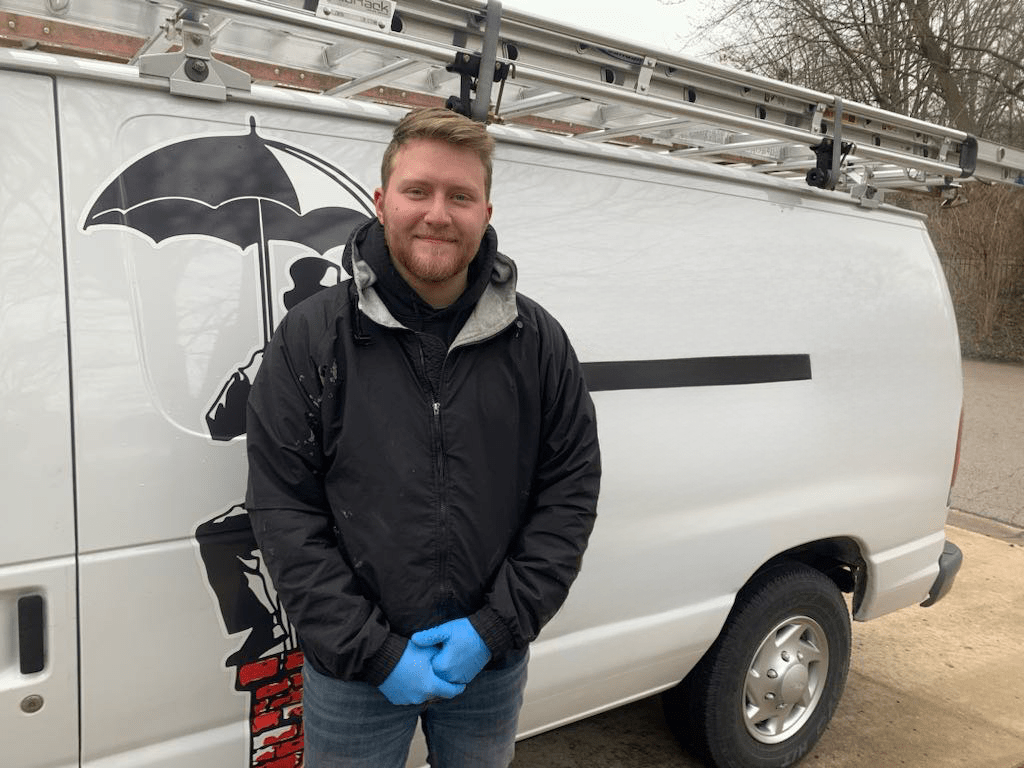
Joshua Scalf
Owner, Friendly Fire LLC
Joshua Scalf is the owner and lead technician at Friendly Fire LLC, bringing over 6 years of chimney service expertise to the greater St. Louis area.
Frequently Asked Questions
How long does a chimney sweep appointment typically take?
Will a chimney sweep make a mess in my home?
How much does a chimney sweep cost in the St. Louis area?
Do I really need a chimney sweep every year if I don't use my fireplace much?
Can I sweep my own chimney instead of hiring a professional?
Need Chimney Service?
Don't wait until a small problem becomes an expensive repair. Friendly Fire serves the greater St. Louis area with honest, affordable chimney services.
Licensed & insured · 10% donated to charity · Military & first responder discounts
Related Articles
Chimney Sweep Services in Woodson Terrace, MO: What Every Homeowner Needs to Know
Don't risk a chimney fire this winter. Friendly Fire provides expert chimney sweep services in Woodson Terrace, MO. Annual inspections starting with a call.
Chimney Cleaning in St. Louis: What Every Homeowner Needs to Know
Skipping chimney cleaning in St. Louis puts your home at risk. Learn what's at stake, how often to clean, and when to call a pro before it's too late.
Certified Chimney Inspector in St. Louis: What Homeowners Need to Know
Hiring an uncertified chimney inspector in St. Louis could cost you everything. Learn what CSIA certification means and why it matters for your home's safety.