
Fireplace Maintenance in St. Louis: The Complete Homeowner's Guide
Why Fireplace Maintenance Matters in St. Louis
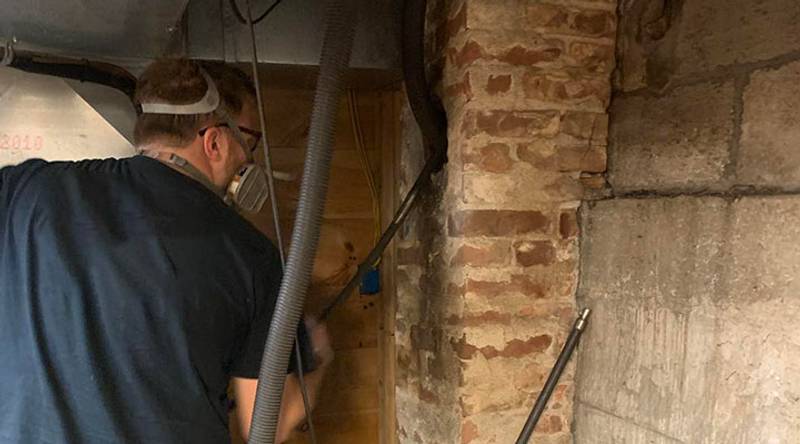
Fireplace maintenance in St. Louis isn’t optional. It’s the difference between a safe, efficient heating season and a dangerous one. St. Louis winters are long, damp, and unpredictable, and your fireplace works hard from October through April. That work takes a toll on every component, from the firebox to the flue liner to the masonry crowning the chimney top.
The stakes are real. According to the National Fire Protection Association, failure to clean chimneys and flues was a factor in 68% of home structure fires involving fireplaces, chimneys, or chimney connectors [NFPA-001]. That’s not a fringe risk — it’s the leading cause of fireplace-related house fires.
NFPA 211 calls for annual chimney inspections covering soundness, deposit levels, and correct clearances for every fuel type. The CSIA reinforces this standard for wood-burning and gas fireplaces alike [CSIA-002].
If your fireplace hasn’t been serviced in the past 12 months, you’re carrying more risk than you may realize. This guide walks you through every aspect of chimney inspections, sweeping, masonry care, and what St. Louis homeowners specifically need to watch for — season by season.
The Annual Inspection: Your First Line of Defense
Every fireplace needs a professional inspection once a year, regardless of how often you use it. NFPA 211 calls for annual evaluation of all chimneys, fireplaces, and venting systems — and the CSIA recommends the same for all fuel types, including gas [CSIA-002].
The Chimney Safety Institute of America defines three inspection levels [CSIA-004]:
- Level I — Your standard annual visit. We visually examine all accessible portions of the firebox, smoke chamber, flue liner, and chimney exterior.
- Level II — Required when you’ve had a chimney fire, changed fuel types, or are selling your home. Includes video scanning of the flue.
- Level III — Reserved for suspected concealed structural damage. May require limited demolition to access problem areas.
Most homeowners in St. Louis need a Level I inspection each year. If you’ve recently bought a home, experienced a chimney fire, or noticed smoke backing up into the room, request a Level II.
Don’t wait for a problem to show itself. Many of the most dangerous chimney defects — cracked flue liners, hidden creosote deposits, failed mortar joints — are invisible to the untrained eye. We catch them before they become serious.
Creosote Buildup: The Hidden Fire Hazard
Creosote buildup is the primary cause of chimney fires in the United States, and it develops every time you burn wood [CSIA-001]. Approximately 25,000 chimney fires occur each year [CSIA-003], and most are preventable with routine chimney sweeping.
Creosote progresses through three stages [CREOSOTE-001]:
- Stage 1 — Light, flaky soot. Easy to remove with standard brushing.
- Stage 2 — Dense, tar-like coating. Requires more aggressive cleaning methods.
- Stage 3 — Thick, hardened, glazed deposits. Extremely difficult to remove and most dangerous.
Stage 3 glazed creosote is what should alarm you. It can auto-ignite at temperatures as low as 451 degrees Fahrenheit — a temperature easily reached in a normal household fire [CREOSOTE-002]. Once a chimney fire starts, it can spread to the framing of your home within minutes.
Two factors dramatically reduce creosote formation. First, burn only properly seasoned firewood with moisture content below 20% [WOOD-002]. Green wood contains 40-60% moisture and produces far more creosote because much of the fire’s energy goes to evaporating water rather than achieving clean combustion [WOOD-001]. Second, schedule annual sweeping to remove whatever buildup does accumulate.
For a deeper dive, read our guide on creosote buildup and what every homeowner should know.
St. Louis Masonry: What Freeze-Thaw Cycles Do to Your Chimney
St. Louis masonry chimneys take a beating every winter. The region’s climate swings between hard freezes and thaws repeatedly throughout the season, and that cycle is destructive to brick and mortar. Water expands by approximately 9 percent when it freezes [MASONRY-001]. When that water has already infiltrated a hairline crack in your mortar joints, the expanding ice widens that crack. Every freeze makes it worse.
The damage compounds quickly.
- Spalling brick faces that pop off under freeze pressure
- Crumbling mortar joints that let water deeper into the chimney structure
- A deteriorating chimney crown that no longer sheds water effectively
- Damaged or missing chimney caps that allow rain and animals inside the flue
NFPA 211 calls for chimneys to have a proper flue liner — and when the masonry surrounding that liner deteriorates, the liner’s protection is compromised. Once water reaches the flue tile, you’re looking at liner cracks, interior moisture damage, and potentially a rebuild.
Our masonry repair crew handles tuckpointing, crown repair, and brick replacement across St. Louis neighborhoods. For more on what to watch for, see our article on signs your chimney needs repair.
Early intervention prevents costly repairs down the road. A small tuckpointing job today prevents thousands of dollars in masonry work in the future.
Gas Fireplaces Still Need Annual Service
Gas fireplaces are not maintenance-free — this is one of the most dangerous assumptions we hear from homeowners. Burning natural gas produces water vapor, carbon dioxide, carbon monoxide, and small amounts of sulfur compounds [GAS-001]. Over time, these byproducts corrode venting components, leave deposits in the flue, and create carbon monoxide risk if the system isn’t functioning correctly.
The Centers for Disease Control and Prevention reports that more than 400 Americans die from unintentional carbon monoxide poisoning every year, with over 100,000 emergency room visits annually [CDC-001]. CO is colorless and odorless — it can’t be detected without a functioning CO detector [CO-001]. A malfunctioning gas fireplace that vents improperly can flood your home with it.
NFPA 211 calls for annual inspection across all fuel types. During a gas fireplace service, our technician checks:
- Burner operation and flame pattern for signs of incomplete combustion
- Venting integrity to confirm exhaust gases are exiting, not backing up
- Pilot assembly and ignition components for wear and corrosion
- Glass seals and gaskets for cracks that compromise combustion safety
The CPSC also recommends having a working CO detector on every level of any home with gas appliances [CPSC-001]. If you don’t have them installed, do it today.
For more on why gas fireplaces need professional attention, read our post: Do Gas Fireplaces Need to Be Swept? Yes, Here’s Why.
Fireplace Inserts: A Smarter, More Efficient Option
If your open masonry fireplace is losing more heat than it produces, a fireplace insert could change everything. The EPA estimates that traditional open fireplaces lose over 90 percent of a fire’s heat directly out the chimney — and actually pull warm air from other rooms in the process [EPA-001]. That’s not supplemental heat. That’s an expensive draft.
EPA-certified wood-burning fireplace inserts operate at 60 to 80 percent efficiency [EPA-002] — a dramatic improvement over an open hearth. They fit inside your existing firebox and connect to the flue, giving you the look of a traditional fireplace with the output of a dedicated heating appliance.
Maintenance for inserts mirrors standard fireplaces: annual inspection and sweeping, attention to creosote accumulation in the liner, and monitoring for gasket wear around the doors. One important distinction — make sure your technician has access to the full flue, not just the visible section.
Inserts also add resale value. A 2016 Angi survey found that 77 percent of potential home buyers were willing to pay more for a home with a fireplace [ANGI-001]. A well-maintained insert can command even more than a drafty open hearth.
Schedule Your Fireplace Maintenance Today
Every week you delay fireplace maintenance is another week your home is carrying unnecessary risk. Whether you heat with wood, gas, or you’re considering an insert upgrade, the consequences of neglect — chimney fires, carbon monoxide exposure, expensive masonry damage — are far worse than the cost of a routine service call.
We serve the greater St. Louis metro area from our base in Woodson Terrace, MO. We’re licensed and insured, and we donate 10% of our revenue to charity [BUSINESS-001]. Military personnel, first responders, fixed-income households, and non-profit organizations receive a 10% discount on all services [BUSINESS-002].
Call us today at (314) 322-7122 to schedule your inspection, sweeping, or masonry evaluation. Your fireplace works hard for your family — make sure it’s safe to do so.
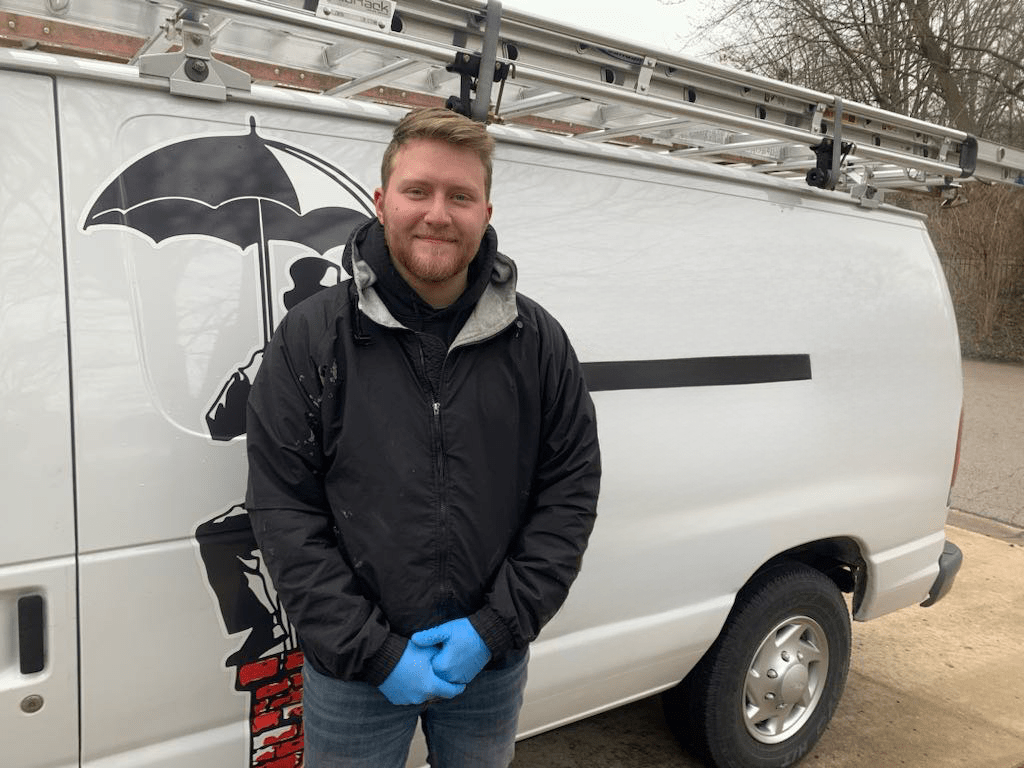
Joshua Scalf
Owner, Friendly Fire LLC
Joshua Scalf is the owner and lead technician at Friendly Fire LLC, bringing over 6 years of chimney service expertise to the greater St. Louis area.
Frequently Asked Questions
How often should I have my fireplace inspected in St. Louis?
Do gas fireplaces in St. Louis need maintenance too?
Is fireplace maintenance worth the cost, or can I skip it?
What is creosote and why does it matter for St. Louis homeowners?
How does Missouri's freeze-thaw cycle damage my fireplace masonry?
Need Chimney Service?
Don't wait until a small problem becomes an expensive repair. Friendly Fire serves the greater St. Louis area with honest, affordable chimney services.
Licensed & insured · 10% donated to charity · Military & first responder discounts
Related Articles
Chimney Maintenance in St. Louis: The Complete Homeowner's Guide
Skip chimney maintenance in St. Louis and risk chimney fires, carbon monoxide leaks, and costly repairs. Learn what your chimney needs—and when—to stay safe.
Complete Chimney Services in St. Louis: What Every Homeowner Needs to Know
Don't risk a chimney fire or carbon monoxide leak. Discover the complete chimney services St. Louis homeowners need to stay safe — and what you're losing by…
Chimney Cleaning in St. Louis: What Every Homeowner Needs to Know
Skipping chimney cleaning in St. Louis puts your home at risk. Learn what's at stake, how often to clean, and when to call a pro before it's too late.