
Chimney Maintenance in St. Louis: The Complete Homeowner's Guide
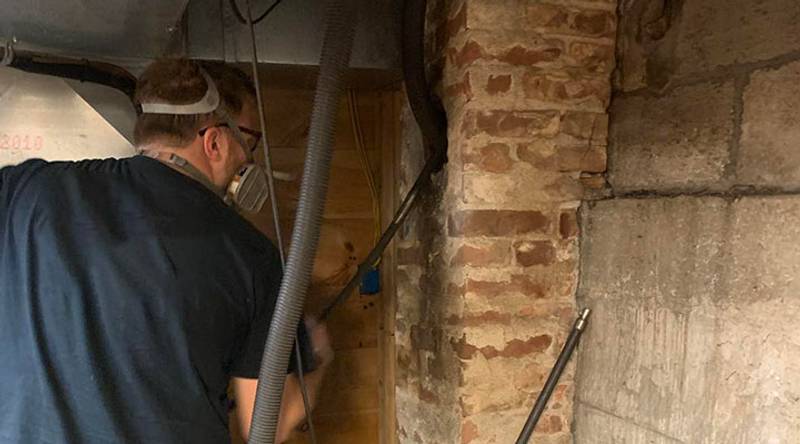
Why St. Louis Homes Need Annual Chimney Maintenance
Annual chimney maintenance is the single most effective action St. Louis homeowners can take to prevent chimney fires, carbon monoxide poisoning, and thousands of dollars in structural damage. The Chimney Safety Institute of America (CSIA) recommends annual inspection and service for all fuel types — wood, gas, and pellet — without exception.
St. Louis winters hit hard. From Florissant to throughout the region, homeowners fire up their fireplaces and heating appliances for months each year. That regular use deposits creosote buildup in flue liners, stresses masonry through freeze-thaw cycles, and creates conditions that turn a minor issue into a dangerous one.
The numbers back this up. According to the National Fire Protection Association (NFPA), failure to clean chimneys and flues was a factor in 68% of home structure fires involving fireplaces, chimneys, or chimney connectors. And NFPA 211 calls for chimneys to be inspected at least once a year for soundness, freedom from deposits, and correct clearances — covering every appliance type in your home.
We’ve seen it countless times. A homeowner waits for visible symptoms — smoky living rooms, a cracked firebox, draft problems — and by then the damage is already serious. Our chimney inspection and chimney sweeping services exist to catch problems before they catch you.
What Happens When You Skip Chimney Maintenance
Skip chimney maintenance and nothing obvious happens — dangerous conditions just build silently until they force a crisis. Here’s what you’re actually risking every season you put it off.
Creosote buildup is the primary cause of chimney fires in the United States. It exists in three stages. Stage 1 is light and flaky — we remove it easily. Stage 2 is dense and tar-like — harder to remove and far more flammable. Stage 3 is thick, glazed, and nearly impossible to remove by brushing alone.
Stage 3 creosote auto-ignites at temperatures as low as 451 degrees Fahrenheit. Well within a normal fire’s range. Learn more in our guide on creosote buildup.
Approximately 25,000 chimney fires occur each year in the United States, per CSIA. Many homeowners never even know one happened. The fire burns inside the flue, damages the liner, and creates conditions for a future structure fire or carbon monoxide leak. Silent. Destructive. Preventable.
Beyond fire, neglected chimneys become carbon monoxide hazards. The Centers for Disease Control and Prevention (CDC) reports that more than 400 Americans die from unintentional carbon monoxide poisoning every year. A blocked or deteriorating flue allows this colorless, odorless gas to back-draft into your living space with zero warning.
And then there’s Missouri’s climate. Water expands by approximately 9% when it freezes. Every winter, moisture trapped in mortar joints and flue liners expands and contracts, cracking masonry from the inside. Without maintenance, small cracks become big structural failures in a hurry.
The Core Components of a Complete Maintenance Visit
A complete chimney maintenance visit covers every part of the system — not just the visible fireplace opening, but the flue liner, smoke chamber, chimney cap, crown, and masonry that most homeowners never see.
Here’s what we include when our crew shows up:
- Level I or Level II inspection per NFPA 211, depending on your situation
- Chimney sweeping to remove creosote deposits and debris from the flue
- Flue liner examination for cracks, deterioration, or improper sizing
- Chimney cap and crown check for damage that lets water into the system
- Damper inspection to confirm it seals and opens correctly
- Masonry evaluation for spalling, cracking, or failed mortar joints
NFPA 211 is clear: after each inspection, any necessary cleaning and repairs should be completed before the system is used again. That’s not bureaucratic suggestion — it’s the standard that separates a safe fireplace from a dangerous one.
If you’ve recently had a chimney fire, purchased a home, or changed fuel types, a Level II inspection is warranted, which includes video scanning of the full flue interior. Too many St. Louis homeowners buy without a Level II inspection. It’s one of the most common — and costly — mistakes we see. Read more about what each inspection level covers.
Missouri’s Climate Makes Masonry Maintenance Critical
St. Louis’s freeze-thaw climate is one of the most destructive forces a chimney faces, and it attacks masonry every single winter whether your fireplace is lit or not. We service homes throughout the area with older brick chimneys that compound damage year after year when maintenance gets skipped.
Water is the enemy. It enters through a missing or cracked chimney cap, damaged chimney crown, or failed mortar joints. Once inside, it freezes. Expands by 9%. Physically forces masonry apart. Then it thaws, contracts, and repeats. Within a few seasons, what started as a hairline crack becomes a structural problem.
Common issues we find during maintenance visits:
- Spalling bricks — face of the brick pops off, exposing the softer interior
- Failed mortar joints — gaps between bricks allow water and cold air infiltration
- Cracked chimney crown — the concrete cap over the top deteriorates and channels water directly into the flue
- Efflorescence — white mineral staining that signals moisture is actively moving through the masonry
Tuckpointing — removing damaged mortar and replacing it with fresh material — is one of the most cost-effective maintenance tasks available. Our masonry repair team handles everything from tuckpointing to full crown rebuilds. For a deeper look at repair options, see our guide on tuckpointing vs. repointing.
Don’t ignore white staining, crumbling mortar, or visible cracks. They’re not cosmetic problems. They’re early warnings of structural failure.
Gas Fireplaces Need Maintenance Too
If you have a gas fireplace, you still need annual chimney maintenance — and this is one of the most common and most dangerous misconceptions we hear from St. Louis homeowners. Gas fireplaces are not maintenance-free.
CSIA explicitly recommends annual inspection and service for gas appliances. NFPA 211 calls for annual inspection of all chimneys and vents, with no exemption for gas-fueled systems. Here’s why:
Combustion of natural gas produces water vapor, carbon dioxide, carbon monoxide, and small amounts of sulfur compounds. Those byproducts are acidic and corrosive. Over time, they degrade flue liners, vent connectors, and seals that keep combustion gases out of your living space.
Carbon monoxide is the specific danger with gas. Without annual inspection of the vent system, a corroded connector or blocked flue can redirect CO into your home. The CDC’s data — more than 400 deaths and 100,000 emergency room visits per year — includes victims of gas appliance failures, not just wood fires.
Animal intrusion is another overlooked threat. Birds, squirrels, and wasps commonly nest in gas appliance flue terminations during summer months when the fireplace isn’t in use. A blocked vent means combustion gases have nowhere to go except back into your home.
For more detail on why gas fireplace maintenance matters, see our article Do Gas Fireplaces Need to Be Swept?
How to Prepare Your Chimney Between Professional Visits
Between our annual visits, there are several things St. Louis homeowners can do to extend chimney life and reduce risk during the heating season. None of these replace professional service — but they do matter.
Burn the Right Wood
Only burn properly seasoned firewood with moisture content below 20%. Green wood contains 40–60% moisture. It burns inefficiently, produces more smoke, and dramatically accelerates creosote formation. Burning seasoned hardwood like oak or hickory is one of the most effective ways to slow creosote buildup between sweeps.
Inspect the Firebox Before Each Season
Before your first fire of the fall, spend five minutes looking inside the firebox with a flashlight. Look for:
- Visible cracks in the firebox walls or floor
- Loose or missing firebricks
- A damper that doesn’t open or close smoothly
- Any visible debris or blockage in the flue opening
If anything looks wrong, call us before lighting a fire. These aren’t issues to investigate with a match.
Check Your Chimney Cap and Crown
Walk outside and look up. If your chimney cap is missing, damaged, or rusted, water and animals are entering your flue right now. A cap is one of the cheapest protections available and one of the first things to fail.
Keep CO Detectors Working
The Consumer Product Safety Commission (CPSC) recommends a carbon monoxide detector on every level of your home. Test them monthly. Replace batteries every year. A working CO detector is your last line of defense when maintenance gets delayed.
For a seasonal preparation checklist, see our full guide on how to prepare your chimney for winter.
Schedule Your St. Louis Chimney Maintenance Today
Every season you delay chimney maintenance, creosote accumulates, masonry deteriorates, and the risk of a chimney fire or carbon monoxide event climbs higher. Waiting until something goes wrong costs far more — in money, in repairs, and in safety — than staying on a simple annual schedule.
We serve Woodson Terrace, MO and the greater St. Louis metro area. We’re licensed and insured, and we donate 10% of every dollar of revenue to charity. We also offer a 10% discount for military personnel, first responders, fixed-income households, and non-profit organizations.
Call us at (314) 322-7122 to schedule your annual chimney maintenance visit. Don’t give creosote another season to build up — your family’s safety depends on what you do today.
Joshua Scalf
Owner, Friendly Fire LLC
Joshua Scalf is the owner and lead technician at Friendly Fire LLC, bringing over 6 years of chimney service expertise to the greater St. Louis area.
Frequently Asked Questions
How often should I schedule chimney maintenance in St. Louis?
Is chimney maintenance really necessary if I only use my fireplace a few times a year?
What does chimney maintenance actually include?
What does chimney maintenance cost in the St. Louis area?
Can I do chimney maintenance myself, or do I need a professional?
Need Chimney Service?
Don't wait until a small problem becomes an expensive repair. Friendly Fire serves the greater St. Louis area with honest, affordable chimney services.
Licensed & insured · 10% donated to charity · Military & first responder discounts
Related Articles
Fireplace Maintenance in St. Louis: The Complete Homeowner's Guide
Skipping fireplace maintenance in St. Louis risks chimney fires, carbon monoxide, and costly repairs. Learn what to do—and when—to protect your home and family.
Fireplace Repair in St. Louis: What Homeowners Need to Know Before It's Too Late
Cracked firebox? Spalling brick? Ignoring fireplace damage risks house fires and CO poisoning. Learn what St. Louis homeowners must repair — and when.
Complete Chimney Services in St. Louis: What Every Homeowner Needs to Know
Don't risk a chimney fire or carbon monoxide leak. Discover the complete chimney services St. Louis homeowners need to stay safe — and what you're losing by…