
Complete Chimney Services in St. Louis: What Every Homeowner Needs to Know
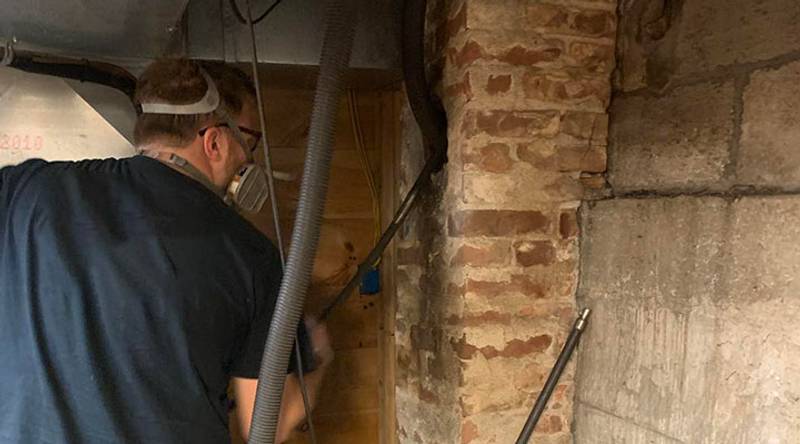
Every St. Louis Chimney Needs These Services
Annual chimney service isn’t optional — it’s the single most effective thing a St. Louis homeowner can do to prevent chimney fires, carbon monoxide poisoning, and costly structural damage. NFPA 211 calls for chimneys, fireplaces, and vents to be inspected at least once a year, no exceptions based on fuel type. Yet we see homeowners go years without calling in a professional.
The greater St. Louis metro — spanning communities throughout Missouri and Illinois — has plenty of older homes with aging chimneys that demand consistent attention. Missouri’s freeze-thaw winters accelerate masonry deterioration hard, and humid summers push moisture into cracks that compromise flue liners and spall brickwork.
This guide walks through every major chimney service your home might need, what each one actually does, and how to spot when you can’t afford to wait any longer.
The Chimney Safety Institute of America reports approximately 25,000 chimney fires annually across the U.S. NFPA data (2019–2023) shows fire departments respond to an annual average of 38,881 home heating equipment fires, resulting in 432 deaths, 1,352 injuries, and $1.1 billion in property damage. The pattern’s unmistakable: deferred maintenance costs way more than routine service.
Annual Chimney Inspections: Your First Line of Defense
A professional chimney inspection is the foundation of every safe chimney system. Without one, you’re flying blind — creosote buildup, cracked flue liners, and blocked vents stay invisible to the untrained eye. NFPA 211 calls for annual inspection of chimneys, fireplaces, and vents, covering structural soundness, freedom from deposits, and correct clearances.
The CSIA defines three inspection levels for different situations:
- Level I — Right for chimneys in regular use with no changes. Visual inspection of accessible flue, firebox, and exterior masonry.
- Level II — Required when you buy or sell a home, switch fuel types, or after a chimney fire. Includes video scanning of the flue.
- Level III — Reserved for suspected concealed structural damage. May require removing components for access.
Unsure which you need? Our chimney inspection levels guide breaks it down clearly.
If you’ve never had an inspection — or it’s been over a year — schedule a professional chimney inspection before you fire up again. We’ll find problems you can’t see from the fireside and give you a written record of your chimney’s actual condition.
Chimney Sweeping: Removing the Real Fire Hazard
Creosote buildup is the primary cause of chimney fires in this country, and professional sweeping is the only way to remove it. NFPA data shows that failure to clean chimneys was a contributing factor in 68% of home structure fires involving fireplaces, chimneys, or chimney connectors. That’s not a fringe statistic — that’s the dominant pattern.
Creosote builds in three stages:
- Stage 1 — Light, flaky soot. Brushes away easily. Minimal fire risk.
- Stage 2 — Dense, tar-like coating. Harder to remove. Significantly more dangerous.
- Stage 3 — Thick, glazed deposit. Extremely hard to remove. Can auto-ignite at 451°F — right in the range of a normal fire.
Firewood moisture content matters enormously. Green, unseasoned wood runs 40–60% moisture, so energy gets burned off evaporating water instead of creating heat, producing far more creosote. Properly seasoned firewood with moisture below 20% cuts creosote formation dramatically. But even homeowners burning dry hardwood need annual sweeping.
Our chimney sweeping service removes creosote deposits, soot, and debris from your flue liner and firebox. For what actually happens during the appointment, read what to expect during a chimney sweep.
Don’t wait until Stage 2 or Stage 3 becomes your reality. Our complete creosote buildup guide covers the rest.
Masonry Repair: Stop Small Cracks Before They Become Big Problems
Cracked mortar joints, spalled bricks, and a deteriorating chimney crown are silent threats that get worse with every Missouri winter. Water expands approximately 9% when it freezes. Every time moisture enters a crack in your masonry and freezes, it widens that crack. Over seasons, a hairline fracture becomes structural failure.
St. Louis homeowners in older neighborhoods often deal with masonry chimneys that are decades old and never been properly repointed. Our masonry repair services handle the full range of deterioration:
- Tuckpointing — Removing deteriorated mortar and replacing it with fresh compound to restore structure and weatherproofing
- Chimney crown repair — Sealing or rebuilding the concrete crown that caps your chimney structure
- Brick replacement — Swapping out spalled or crumbling bricks before damage spreads
- Flashing repair — Resealing the metal junction between your chimney and roof to stop water intrusion
Water is masonry’s enemy. If you’re seeing white staining (efflorescence), crumbling mortar, or rust stains on your firebox, your chimney’s already signaling it needs work. See our guides on is your chimney leaking? here’s what to do and common chimney problems in older St. Louis homes for more.
Tuckpointing and crown repair are among the most cost-effective chimney services we offer. The alternative — ignoring masonry deterioration — leads to flue liner damage, interior water damage, and eventually full chimney rebuilds that cost thousands or tens of thousands of dollars.
Fireplace Inserts: Transform Efficiency, Transform Comfort
If you have a traditional open masonry fireplace, you’re almost certainly losing more heat than you’re gaining. The EPA estimates most open fireplaces lose over 90% of the fire’s heat up the chimney — and the draft actively pulls heated room air outside with it. In a Missouri winter, that’s your furnace running overtime to replace what your fireplace is venting away.
A fireplace insert fits directly into your existing firebox and connects to the flue. EPA-certified wood-burning inserts run at 60–80% efficiency — a major jump from the open hearth. Gas and pellet inserts bring their own advantages in convenience, heat control, and fuel flexibility.
Three primary insert categories for St. Louis:
- Wood-burning inserts — Maximum heat output, EPA-certified efficiency, traditional feel
- Gas inserts — Instant on/off, no wood storage, clean combustion, thermostat control
- Pellet inserts — Automated fuel feed, consistent heat, lower particulate emissions
Before deciding, read our detailed comparison: best fireplace inserts for St. Louis homes. Weighing a full conversion? Our gas vs. wood-burning guide covers the tradeoffs honestly.
A working fireplace insert adds measurable resale value. A 2016 Angi survey found 77% of potential home buyers expressed willingness to pay more for a home with a fireplace, and Redfin data shows homes with fireplaces list at approximately 13% more than the national median. Inserts keep those fireplaces functional and safe.
Dryer Vent Cleaning: The Overlooked Fire Risk
Your dryer vent is one of the most overlooked fire hazards in your home — and most homeowners never think twice about it. NFPA data from 2010–2014 shows U.S. fire departments responded to an estimated 15,970 home fires per year involving clothes dryers or washing machines, resulting in annual averages of 13 deaths, 440 injuries, and $238 million in direct property damage. Failure to clean the dryer was the leading factor in one-third (33%) of those fires.
Lint is highly combustible. When it piles up in a dryer duct, it restricts airflow, forces the dryer to run hotter, and eventually ignites. NFPA 211 specifies requirements for dryer exhaust to vent directly outside with maximum duct lengths to affect how efficiently lint gets expelled.
Beyond fire risk, a clogged vent hits your wallet every month:
- Industry estimates suggest a clogged vent can increase energy consumption up to 30%
- Your dryer works harder and runs hotter, slashing its lifespan
- Extended drying times mean multiple cycles per load — wasted time and money
Our dryer vent cleaning service clears the full duct length and verifies proper termination at the exterior. For the full picture of risks, read 7 major risks of not getting a dryer vent cleaning.
Dryer fires peak in January per USFA data (2008–2010). If your dryer’s been taking longer than usual to dry a full load, that’s a warning sign — not minor.
Schedule Your Chimney Services in St. Louis Today
Every season you delay chimney service is a season you’re running a fire hazard you can’t see and a carbon monoxide risk you can’t smell. The CDC reports more than 400 Americans die annually from unintentional carbon monoxide poisoning, and more than 100,000 hit the ER — many from malfunctioning or poorly maintained heating equipment.
We serve the greater St. Louis metro from Woodson Terrace, MO — including communities across Missouri and Illinois. We’re licensed and insured, and we donate 10% of every revenue dollar to charity. Military personnel, first responders, fixed-income and disabled households, and non-profit organizations get a 10% discount on all services.
Call us at (314) 322-7122 to book your inspection, sweep, masonry repair, or dryer vent cleaning. Don’t wait for a chimney fire or a CO alarm to tell you what a professional inspection would’ve caught months ago.

Joshua Scalf
Owner, Friendly Fire LLC
Joshua Scalf is the owner and lead technician at Friendly Fire LLC, bringing over 6 years of chimney service expertise to the greater St. Louis area.
Frequently Asked Questions
How often do I need chimney services in St. Louis?
Do gas fireplaces really need professional chimney service?
What's the difference between a chimney sweeping and a chimney inspection?
How much do chimney services cost in the St. Louis area?
Do you offer discounts on chimney services?
Need Chimney Service?
Don't wait until a small problem becomes an expensive repair. Friendly Fire serves the greater St. Louis area with honest, affordable chimney services.
Licensed & insured · 10% donated to charity · Military & first responder discounts
Related Articles
Chimney Cleaning in St. Louis: What Every Homeowner Needs to Know
Skipping chimney cleaning in St. Louis puts your home at risk. Learn what's at stake, how often to clean, and when to call a pro before it's too late.
Fireplace Repair in St. Louis: What Homeowners Need to Know Before It's Too Late
Cracked firebox? Spalling brick? Ignoring fireplace damage risks house fires and CO poisoning. Learn what St. Louis homeowners must repair — and when.
Common Chimney Problems in Older St. Louis Homes
Older St. Louis homes hide costly chimney problems. Discover the most common issues—and what you're risking by leaving them undetected—before they become…