
Masonry Repair Cost Guide for St. Louis Homeowners: What to Budget in 2025
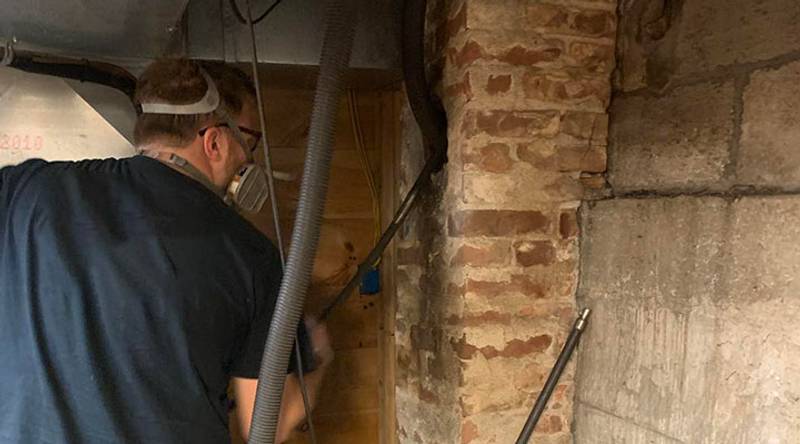
St. Louis Winter Damage Is Costing Homeowners Now
St. Louis homeowners who put off masonry repairs after winter often pay two to three times more by the following year. If you spotted crumbling mortar, spalling bricks, or white staining on your chimney this spring, you’re not alone — and you’re definitely not imagining it.
Our metro sits in a climate zone where temperatures cross freezing dozens of times each winter. That constant cycling hammers masonry. Water expands by approximately 9 percent when it freezes, forcing itself into every hairline crack in mortar joints and brick faces. By spring, what started as surface erosion has turned into structural damage.
We’ve put together this guide to give you real cost context for chimney and fireplace masonry repair in St. Louis — what to expect, what drives prices up, and how to avoid letting a minor tuckpointing job turn into a major rebuild. If you already know you have damage, our masonry repair service page explains exactly how we approach these repairs.
Before any repair budget makes sense, you need to know what you’re actually dealing with. That starts with a professional chimney inspection — and we’ll walk you through why below.
What Drives Masonry Repair Costs Up or Down
The single biggest cost driver in any masonry repair is how long the damage has been allowed to progress. A chimney caught at the mortar-erosion stage costs a fraction of what the same chimney costs once water has entered the flue system and damaged the liner.
Several factors determine your final repair cost:
- Extent of mortar deterioration — surface erosion versus deep joint failure
- Height and accessibility — a two-story chimney requires scaffolding or staging
- Brick condition — mortar-only repairs are far less expensive than replacing spalled or cracked bricks
- Flue liner involvement — if water has reached the flue liner, costs increase significantly
- Chimney crown condition — a cracked crown accelerates every other form of damage
- Number of wythes affected — the more masonry layers involved, the higher the labor and material cost
Age matters too. Many homes in older St. Louis neighborhoods have chimneys built with softer lime-based mortars that require specific matching mixes. Using the wrong mortar — especially hard Portland cement on an older structure — can cause more damage than it prevents.
NFPA 211 specifies construction material standards for masonry chimneys and outlines relining material requirements — both of which affect what repair methods are appropriate for your chimney.
Common Chimney Masonry Repairs and Typical Cost Ranges
Most chimney masonry repairs fall into one of five categories, and the price difference between them is substantial. Here’s what St. Louis homeowners should realistically budget for each.
Tuckpointing and Repointing
Tuckpointing — removing deteriorated mortar and replacing it with fresh mortar — is the most common chimney masonry repair we handle. For a standard chimney in reasonable condition, tuckpointing typically costs anywhere from a few hundred dollars for a small section to over a thousand dollars for full-chimney repointing, depending on chimney size and accessibility.
The difference between tuckpointing and repointing matters because tuckpointing is a two-coat decorative process while repointing simply fills the joint. Your mason should specify which approach is appropriate for your situation.
Chimney Crown Repair or Replacement
The chimney crown is your first line of defense against water entry. It takes brutal abuse from St. Louis weather. A cracked crown lets water pour directly into the flue and saturate the surrounding masonry. Crown repair using a flexible sealant product typically costs less than full crown replacement, which involves rebuilding the concrete cap at the top of the chimney stack.
We go deeper on this in our chimney crown repair guide.
Spalling Brick Replacement
When freeze-thaw cycling gets severe, brick faces pop off entirely — that’s spalling. Individual brick replacement is labor-intensive because our crew must remove the damaged unit without disturbing surrounding bricks and source a matching replacement. Costs climb fast when multiple courses are affected.
Firebox Repair
The firebox — the interior chamber where your fires burn — takes direct thermal stress on every use. Cracked firebrick and deteriorated refractory mortar in the firebox are safety concerns, not cosmetic ones. NFPA 211 calls for firebox joint sealing to be properly maintained to prevent fire penetration into surrounding structure.
Partial or Full Chimney Rebuild
This is the scenario every homeowner wants to avoid. When water intrusion has been happening for years, structural masonry can fail to the point where a partial or full rebuild is the only safe option. Rebuilding above the roofline — or from the firebox up — is a major project cost. This is why catching damage early is so financially critical.
How a Professional Inspection Defines Your Repair Scope
You can’t accurately budget for masonry repair without knowing exactly what you’re dealing with — and that requires a professional inspection, not a visual check from the ground.
NFPA 211 calls for annual chimney inspections for all chimneys and venting systems, covering soundness, cleanliness, and clearances. NFPA 211 also calls for an inspection specifically when there is any evidence of damage to the chimney system. That includes the surface cracking and mortar erosion you noticed this spring.
The Chimney Safety Institute of America (CSIA) defines three inspection levels. A Level 1 inspection covers visible accessible areas — ideal for annual checkups. A Level 2 inspection uses video scanning equipment to assess the flue liner and areas not visible to the naked eye. Level 2 inspection calls for video scanning of the interior flue surfaces.
If you’ve noticed exterior damage after a hard winter, a Level 2 inspection is likely the right starting point. It prevents that common scenario where a homeowner pays for tuckpointing only to discover later that water had already reached the liner — work that a camera inspection would have caught upfront.
Our chimney inspection levels explainer walks through exactly what each level covers and costs.
The Real Cost of Waiting: What Deferred Repair Looks Like
The most expensive masonry repair is the one you delayed for two or three winters. This isn’t scare tactics — it’s a direct consequence of how water behaves in masonry.
Here’s the progression we see in homeowners across the St. Louis metro when surface damage goes unaddressed:
- Year 1: Mortar joints show surface erosion. Tuckpointing resolves it at minimal cost.
- Year 2: Water enters deeper joint voids. Freeze-thaw pressure begins cracking brick faces. Repair cost escalates.
- Year 3: Water reaches the flue liner. Liner deterioration begins. Now you’re looking at tuckpointing plus liner repair or replacement.
- Year 4+: Structural masonry is compromised. Partial or full chimney rebuild may be the only safe path forward.
NFPA 211 is direct about damaged or deteriorated liners — the standard calls for action before continued use. A deteriorated liner isn’t just expensive; it’s a fire and carbon monoxide hazard.
The Chimney Safety Institute of America reports that approximately 25,000 chimney fires occur each year in the United States. Masonry damage that allows heat transfer to combustible framing is one pathway to exactly that outcome. And per NFPA 211, failure to clean and maintain chimneys is a leading factor in home heating fires.
If you suspect you’ve already got moisture inside the flue, read our post on chimney leaks and what to do about them before calling for a repair estimate.
Signs You Need Masonry Repair This Season
Don’t wait for visible collapse — masonry damage announces itself with early warning signs that are easy to spot if you know what you’re looking for. If you see any of the following, schedule an inspection now rather than in fall when contractors are swamped.
- White staining (efflorescence) on brick or mortar — this is dissolved salts left behind by water migrating through the masonry
- Crumbling or recessed mortar joints — run your finger along the joint; if mortar crumbles easily, it’s failed
- Spalling bricks — brick faces popping or flaking off
- Cracks in the chimney crown or at the chimney-to-roof junction
- Rust stains on the exterior from a deteriorating damper or flashing
- Damp spots on interior walls near the chimney — water is already inside
Our detailed post on signs your chimney needs repair covers additional warning indicators that are easy to miss on a quick walk-around.
One important note: some damage is only visible from inside the flue. We see this frequently in older St. Louis neighborhoods — particularly chimneys built before 1980 — where liner damage shows no obvious exterior signs. That’s good reason to schedule professional inspection even if your chimney looks fine from the street.
Schedule Your Masonry Inspection Before Damage Compounds
Every season you wait on masonry repair, the water does more work — and so does your repair bill. If you noticed crumbling mortar, spalling bricks, or staining this spring, now is the time to act, not October when everyone in the St. Louis metro scrambles before heating season.
We serve Woodson Terrace, MO and the entire greater St. Louis area. We’re licensed and insured, and we donate a portion of revenue to charity. We also offer a 10% discount for military personnel, first responders, fixed-income households, and non-profit organizations.
Call us today at (314) 322-7122 or visit our masonry repair page to schedule your inspection. The sooner we see it, the more options you’ll have — and the less it’s likely to cost.

Joshua Scalf
Owner, Friendly Fire LLC
Joshua Scalf is the owner and lead technician at Friendly Fire LLC, bringing over 6 years of chimney service expertise to the greater St. Louis area.
Frequently Asked Questions
How much does chimney masonry repair cost in St. Louis?
Is masonry repair something I can DIY to save money?
How do I know if my chimney masonry damage is urgent or can wait?
Does Missouri weather make chimney masonry deteriorate faster than other states?
Will my homeowner's insurance cover masonry repair costs?
Need Chimney Service?
Don't wait until a small problem becomes an expensive repair. Friendly Fire serves the greater St. Louis area with honest, affordable chimney services.
Licensed & insured · 10% donated to charity · Military & first responder discounts
Related Articles
Tuckpointing vs Repointing: What's the Difference and Which Does Your Chimney Need?
Confusing tuckpointing and repointing could cost you thousands in chimney damage. Learn the real difference and which repair your St. Louis home actually needs.
Chimney Repair Services in St. Charles, MO: What Homeowners Need to Know
Cracked mortar, spalling brick, or a damaged flue liner can cost you thousands. Get expert chimney repair in St. Charles, MO before small problems become…
Chimney Maintenance in St. Louis: The Complete Homeowner's Guide
Skip chimney maintenance in St. Louis and risk chimney fires, carbon monoxide leaks, and costly repairs. Learn what your chimney needs—and when—to stay safe.