
Chimney Repair Services in St. Charles, MO: What Homeowners Need to Know
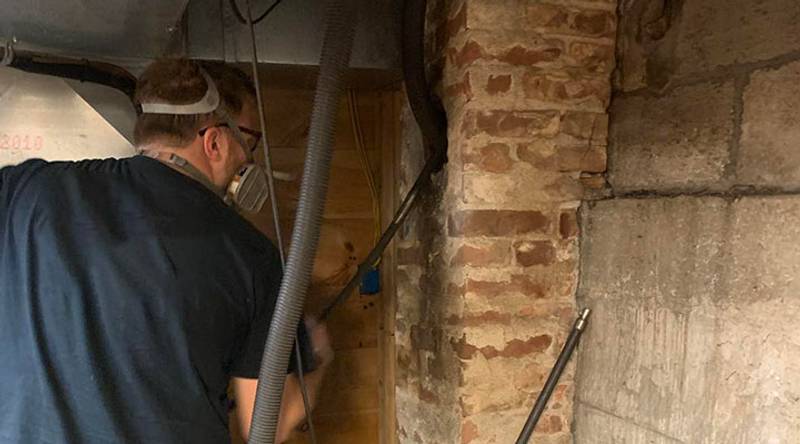
St. Charles Chimneys Take a Beating Every Winter
St. Charles, MO homeowners face some of the toughest conditions a chimney can endure. Missouri’s climate swings from single-digit windchills in January to humid 95-degree summers, and that thermal stress quietly destroys chimneys year after year. By the time visible damage appears on the outside, the interior is often already compromised.
The freeze-thaw cycle is the primary culprit. Water seeps into small cracks in mortar joints, brick faces, and chimney crowns. When temperatures drop, that water expands by approximately 9 percent as it freezes — widening cracks, loosening brick, and fracturing flue tiles from the inside out. A crack that looked minor in October can become a structural problem by March.
If your St. Charles home was built before 1990, the risk is even higher. Older chimneys were built with clay tile flue liners that are more susceptible to thermal shock and acidic condensate damage. Many common chimney problems in older St. Louis homes stem from decades of deferred maintenance compounding seasonal weather stress.
The bottom line: chimney repair in St. Charles isn’t optional maintenance — it’s what protects your home, your family, and your investment.
What Chimney Damage Actually Looks Like
Most chimney damage is invisible from the ground, which is why homeowners underestimate it. Knowing the visible signs helps you catch problems early, before water damage and structural deterioration force a far more expensive repair.
Here are the warning signs St. Charles homeowners should watch for:
- Spalling brick — brick faces flaking, popping, or crumbling off the chimney exterior
- Crumbling mortar joints — gaps between bricks where mortar has eroded or fallen out
- Efflorescence — white mineral staining on brick caused by water moving through the masonry
- A cracked or missing chimney crown — the concrete cap at the top of the chimney stack that sheds water away from the flue opening
- Water stains on ceilings or walls near the fireplace or in the attic above the chimney chase
- Rusted damper or firebox components — a sign of chronic moisture intrusion inside the flue
Any one of these signs is enough to warrant a professional chimney inspection before the next burn season. NFPA 211 calls for a formal inspection whenever evidence of damage is present — and that inspection should happen before you light another fire.
Don’t see obvious exterior damage? That doesn’t mean your flue liner is intact. Cracked clay tiles and deteriorated smoke chambers often show no outward signs until a chimney fire or carbon monoxide incident forces the issue. If you want to understand the full scope of what an inspection covers, chimney inspection levels explained is worth reading before you schedule.
The Most Common Chimney Repairs in St. Charles
The right repair depends entirely on where the damage is and how far it has progressed. We’ve seen it all when serving the greater St. Louis metro area.
Tuckpointing and Mortar Joint Repair
Tuckpointing is the most common masonry repair a chimney needs — and also one of the most frequently put off. Mortar joints are the weakest point in the chimney structure. They’re intentionally softer than the surrounding brick so they absorb stress and crack first, protecting the brick itself. But once mortar erodes past a certain point, water enters freely, accelerating deterioration in every direction.
Our masonry repair technicians remove deteriorated mortar to a safe depth and pack in fresh mortar matched to the original mix. Done correctly, tuckpointing restores the watertight integrity of the chimney and extends the life of the structure by decades. If you’re not sure whether you need tuckpointing or something more extensive, tuckpointing vs repointing explains the difference clearly.
Chimney Crown Repair and Rebuilding
A cracked chimney crown is a direct path for water into your flue. The crown is the concrete cap poured at the very top of the chimney stack. It slopes outward to direct water away from the flue opening and the top course of bricks. When it cracks — and it almost always does eventually — water runs straight down into the masonry below.
Small cracks can often be sealed with a flexible crown sealant. Larger cracks and full crown failures require rebuilding. Either way, addressing crown damage early is far cheaper than repairing the water damage that follows. We’ve handled hundreds of crown jobs across the St. Louis area. See chimney crown repair: why it matters for more details.
Flue Liner Replacement
A damaged flue liner is the most serious — and most dangerous — chimney repair a homeowner can face. The flue liner serves two critical functions: it contains combustion gases as they travel up and out of the home, and it protects the surrounding masonry from heat and acidic deposits.
NFPA 211 calls for chimney lining in all new construction, and also calls for damaged or deteriorated liners to be repaired or relined before the system is returned to service. When a clay tile liner cracks, it can allow carbon monoxide and heat to escape into wall cavities, attic spaces, and living areas. The Centers for Disease Control and Prevention (CDC) reports that CO poisoning sends more than 100,000 Americans to the emergency room annually — and an unlined or damaged flue is one of the most preventable contributors to that risk.
Stainless steel liner systems are the most durable relining solution for most St. Charles homes. For a complete breakdown of your options, see the chimney liner replacement guide.
Chimney Cap Replacement
A missing or damaged chimney cap lets water, debris, and animals into your flue year-round. Chimney caps cover the flue opening at the top of the chimney, shedding rain and blocking nesting animals. Without one, a single Missouri rainstorm can dump water directly down your flue — saturating the clay tile liner and accelerating every other form of chimney damage.
NFPA 211 addresses the design requirements for caps and spark arrestors. Beyond water exclusion, chimney caps also prevent animal intrusion — a recognized cause of chimney blockage that affects all fuel types and creates serious carbon monoxide risks.
Why Chimney Repair Can’t Wait
Every month of delayed chimney repair means more damage, higher repair costs, and increased fire and CO risk. This isn’t hyperbole — it’s how water damage works.
The Chimney Safety Institute of America (CSIA) cites creosote buildup as the primary cause of chimney fires in the United States, with approximately 25,000 chimney fires occurring each year. But fire isn’t the only threat. A structurally compromised chimney can also allow carbon monoxide — a colorless, odorless gas that cannot be detected without a functioning CO detector — to migrate into your living space silently.
The National Fire Protection Association (NFPA) found that failure to clean chimneys was a factor in 68% of home structure fires involving fireplaces and chimneys. Staying current with both cleaning and repair is what keeps that statistic from applying to your home.
NFPA 211 calls for annual chimney inspection for all fuel types, and states that cleaning and repairs identified during that inspection should be carried out before continued use. That’s the standard — annual inspection, prompt repair, no exceptions.
If your fireplace has been showing signs your chimney needs repair, the time to act is before the next burn season, not during it. St. Charles winters don’t give you much margin for error.
What to Expect From a Professional Chimney Repair Visit
A professional chimney repair visit starts with a thorough inspection before any work begins. You can’t repair what you haven’t fully diagnosed, and a CSIA-certified technician won’t recommend repairs without first understanding the full scope of what’s going on inside and outside the system.
Here’s how a typical service visit unfolds:
- Visual exterior inspection — technician examines the chimney from ground level and the roof, checking crown condition, cap, flashing, mortar joints, and brick faces
- Interior inspection — damper, firebox, smoke shelf, and accessible flue liner sections are examined for cracks, deposits, and blockage
- Video scan (Level II) — for home sales, after chimney fires, or when structural damage is suspected, NFPA 211 calls for video scanning of the full flue length
- Written report — findings are documented with photos; recommended repairs are explained clearly before any work proceeds
- Repair or scheduling — minor repairs may be completed same day; larger structural work is scheduled and quoted in advance
No pressure tactics. You’ll understand exactly what we’ve found and why we’re recommending it. If you want to know exactly what happens from arrival to final cleanup, what to expect during a chimney sweep appointment walks through the full process.
Schedule Your Chimney Repair in St. Charles Today
Every season you delay chimney repair, the damage compounds — and so does the cost. Water doesn’t take a season off, and Missouri freeze-thaw cycles won’t wait for a convenient time on your calendar.
Friendly Fire Chimney serves the greater St. Louis metro area from our home base in Woodson Terrace, MO. We’re licensed and insured, and we back every job with honest diagnostics and transparent pricing. A portion of our revenue supports local charitable causes.
Military personnel, first responders, fixed-income households, and non-profit organizations receive a 10% discount on all services.
Don’t wait until a chimney fire or CO alarm forces the issue. Call us today at (314) 322-7122 to schedule your inspection and repair assessment. For St. Charles homeowners ready to protect their home this season, the best time to act is right now.
Joshua Scalf
Owner, Friendly Fire LLC
Joshua Scalf is the owner and lead technician at Friendly Fire LLC, bringing over 6 years of chimney service expertise to the greater St. Louis area.
Frequently Asked Questions
How do I know if my chimney needs repairs in St. Charles, MO?
How much does chimney repair cost in St. Charles?
Do I need a chimney inspection before getting repairs done?
Is it safe to use my fireplace if I suspect chimney damage?
Does Friendly Fire serve St. Charles and surrounding areas?
Need Chimney Service?
Don't wait until a small problem becomes an expensive repair. Friendly Fire serves the greater St. Louis area with honest, affordable chimney services.
Licensed & insured · 10% donated to charity · Military & first responder discounts
Related Articles
Fireplace Repair in St. Louis: What Homeowners Need to Know Before It's Too Late
Cracked firebox? Spalling brick? Ignoring fireplace damage risks house fires and CO poisoning. Learn what St. Louis homeowners must repair — and when.
Masonry Repair Cost Guide for St. Louis Homeowners: What to Budget in 2025
Don't let winter freeze-thaw damage turn into a major problem. Learn what masonry repair costs in St. Louis and when to act before small cracks get worse.
Chimney Crown Repair: Why It Matters for Your Home and Fireplace
A cracked chimney crown lets water destroy your flue, liner, and masonry. Learn what's at stake and when to act before repair becomes full reconstruction.