
Chimney Sweep Services in Woodson Terrace, MO: What Every Homeowner Needs to Know
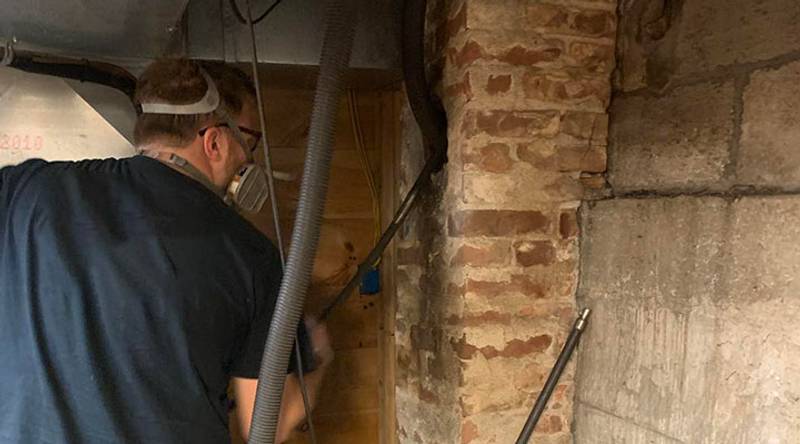
Woodson Terrace Homes Need Annual Chimney Service
Chimney sweep service in Woodson Terrace, MO isn’t optional — it’s the single most effective thing you can do to prevent a house fire. The Chimney Safety Institute of America reports that creosote buildup is the primary cause of chimney fires in the United States, and roughly 25,000 chimney fires occur every year. For homeowners in Woodson Terrace and across the greater St. Louis metro area, that statistic hits different.
NFPA 211 calls for chimneys, fireplaces, and vents to be inspected at least once per year for soundness, freedom from deposits, and correct clearances. This applies to every fuel type — wood, gas, oil, and pellet. Waiting until something goes wrong isn’t a strategy. It’s rolling the dice with your home and family.
We serve Woodson Terrace and the surrounding St. Louis area. We’re licensed, insured, and built around one principle: your home should be as safe as possible every time you light a fire at Friendly Fire Chimney.
Haven’t scheduled your annual sweep yet? Our chimney sweeping service is where to start. And if it’s been more than a year since your last inspection, a chimney inspection should come first.
What a Professional Chimney Sweep Actually Does
We remove creosote, soot, and debris from your flue — and perform a visual assessment of every component we can reach. This isn’t a job for a brush from the hardware store. A trained sweep evaluates the system as a whole, not just the deposits sitting on top.
Here’s what a standard visit covers:
- Creosote removal from the flue liner, smoke chamber, and firebox
- Soot and ash cleanup from the firebox and cleanout
- Flue liner examination for cracks, gaps, or deterioration
- Chimney cap and crown inspection for water damage or blockage
- Damper operation check to confirm it opens and seals properly
- Visual assessment of the firebox, smoke shelf, and hearth extension
Creosote comes in three stages. Stage 1 is light and flaky — brushes away easily. Stage 2 is dense, tar-like, requiring heavier tools. Stage 3 is hardened and glazed, capable of auto-igniting at temperatures as low as 451 degrees Fahrenheit — well within the range of a normal fireplace. We stop Stage 1 from ever becoming Stage 3.
NFPA 211 calls for cleaning and repairs to follow from annual inspection findings. That’s why a sweep and inspection work best together. See our detailed chimney sweeping guide for more.
The Real Risk of Skipping Your Annual Sweep
Failure to clean your chimney is the leading contributing factor in home heating fires. According to the National Fire Protection Association, failure to clean was involved in 68% of home structure fires involving fireplaces, chimneys, or chimney connectors. That’s not a side note — that’s the main story.
From 2019 to 2023, U.S. fire departments responded to an annual average of 38,881 home heating equipment fires, resulting in 432 civilian deaths, 1,352 injuries, and $1.1 billion in property damage. Chimney fires are a huge portion of that, and almost every single one is preventable.
The cost of a chimney fire isn’t just financial. It can crack the flue liner, spread to framing and attic, and cause structural damage running thousands or tens of thousands to repair. In worst-case scenarios, you lose the house entirely.
Then there’s carbon monoxide. A blocked or deteriorated flue redirects exhaust gases back into living spaces. The Centers for Disease Control and Prevention reports more than 400 Americans die from unintentional carbon monoxide poisoning annually, and more than 100,000 hit the emergency room. Carbon monoxide is colorless, odorless — you won’t detect it without a working CO detector. A clean, unobstructed flue is your first defense.
Read more about these risks in our guide on creosote buildup.
Chimney Inspection Levels: Which One Do You Need?
Not every chimney inspection is the same — CSIA and NFPA 211 define three levels, and the right one depends on your situation. Understanding which level applies to you helps you make an informed decision and avoid overpaying or settling for less than you need.
NFPA 211 establishes a framework for selecting the appropriate inspection type based on circumstances. Here’s how CSIA breaks down the three levels:
- Level 1 — The standard annual inspection. Covers accessible portions of the flue, firebox, and exterior. Right for chimneys with no known changes in use or condition.
- Level 2 — Required when you’re buying or selling a home, after a chimney fire, or when changing fuel types. Includes video scanning of the flue interior. This is the inspection most often overlooked when purchasing older St. Louis homes.
- Level 3 — Reserved for cases where concealed structural damage is suspected. May require removing components to access problem areas.
Most Woodson Terrace homeowners need a Level 1 annually. Buying a home — especially an older property — should include a Level 2. That’s the standard you should insist on. Our blog covers chimney inspection levels explained in complete detail.
NFPA 211 also calls for a Level 2 following any evidence of damage or operational malfunction — don’t wait for the annual schedule if something looks or smells off.
Masonry Repair and What Missouri Winters Do to Chimneys
Missouri’s freeze-thaw cycles destroy chimneys faster than almost anything else. Water expands roughly 9 percent when it freezes. Moisture infiltrating mortar joints or small cracks in brick means that expansion repeats every winter — breaking down the masonry from inside out.
The damage appears several ways:
- Spalling brick — face of the brick flaking or popping off
- Deteriorated mortar joints — gaps and crumbling between bricks
- Crown cracking — the concrete cap at the top splitting open
- Efflorescence — white mineral staining that signals chronic moisture intrusion
Left untreated, masonry damage allows water into the flue, accelerating liner deterioration and compromising the entire chimney’s structural integrity. NFPA 211 establishes that chimney liners are required in masonry chimneys — a compromised exterior speeds liner failure.
Our masonry repair service addresses these issues before they become full rebuilds. Tuckpointing, crown repair, and waterproofing cost far less than structural reconstruction. For more on masonry deterioration in regional homes, see our article on common chimney problems in older St. Louis homes.
If your chimney crown has visible cracks or mortar joints are visibly deteriorated, don’t wait for the annual sweep to mention it. Water damage compounds fast once it starts.
Beyond the Chimney: Dryer Vent Cleaning Matters Too
If you own a dryer, your dryer vent poses a fire risk completely separate from your fireplace — and equally preventable. Industry estimates indicate a clogged dryer vent can increase energy consumption by up to 30 percent. More critically, failure to clean the dryer is the leading factor in one-third of all home fires involving clothes dryers, according to NFPA data from 2010 to 2014.
NFPA 211 calls for dryer exhaust to vent directly to the outside, and addresses maximum duct length, because longer runs accumulate lint faster. Many Woodson Terrace homes have dryer vents running longer than ideal, especially ranches and two-story homes where the laundry room sits far from an exterior wall.
Lint accumulation happens slowly, invisibly. A dryer that performed fine last year may be operating with a partially blocked vent today. Dryer fires peak in January — right when Missouri homeowners run their dryers most.
Our dryer vent cleaning service clears the full duct run of lint and verifies the termination cap functions correctly. Read 7 major risks of not getting a dryer vent cleaning for the full breakdown of what’s at stake.
This isn’t an upsell — it’s a second safety system in your home that deserves the same attention as your chimney.
Schedule Your Chimney Sweep in Woodson Terrace Today
Every year you delay is another year you’re burning with unknown creosote levels, undetected cracks, and a flue that hasn’t been professionally evaluated. That’s a risk no Woodson Terrace homeowner should accept.
Friendly Fire Chimney serves Woodson Terrace, MO and the entire greater St. Louis metro area. We’re licensed and insured, and we donate 10% of every dollar in revenue to charity. Military personnel, first responders, fixed-income households, and non-profit organizations receive a 10% discount on all services.
Call us today at (314) 322-7122 to schedule your annual chimney sweep, inspection, or dryer vent cleaning. Don’t wait until you smell smoke.
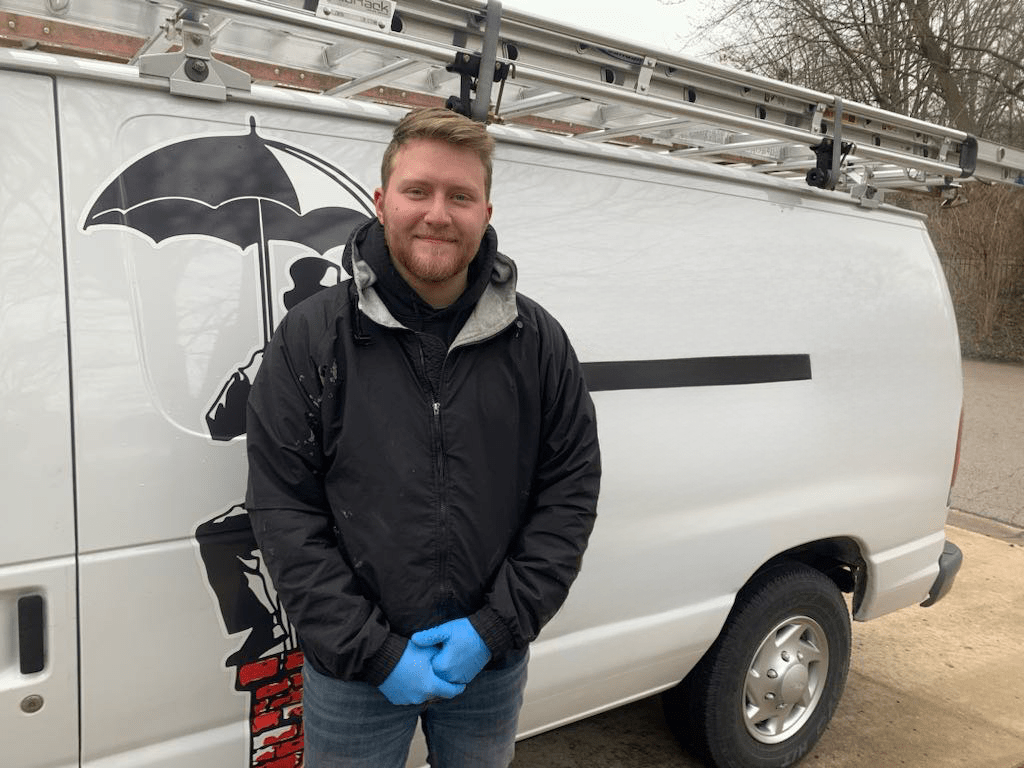
Joshua Scalf
Owner, Friendly Fire LLC
Joshua Scalf is the owner and lead technician at Friendly Fire LLC, bringing over 6 years of chimney service expertise to the greater St. Louis area.
Frequently Asked Questions
How often should I get my chimney swept in Woodson Terrace, MO?
Is a chimney sweep worth the cost if I don't use my fireplace much?
What's the difference between a chimney sweep and a chimney inspection?
Do gas fireplaces in Woodson Terrace homes need sweeping too?
How do I know if my chimney needs immediate attention before my next scheduled sweep?
Need Chimney Service?
Don't wait until a small problem becomes an expensive repair. Friendly Fire serves the greater St. Louis area with honest, affordable chimney services.
Licensed & insured · 10% donated to charity · Military & first responder discounts
Related Articles
What to Expect During a Chimney Sweep Appointment: A Complete Homeowner's Guide
Don't skip your chimney sweep appointment. Learn exactly what happens step-by-step and what you risk by waiting. Serving St. Louis homeowners.
Chimney Sweeping in Belleville, IL: What Every Homeowner Needs to Know
Don't risk a chimney fire this season. Learn why Belleville, IL homeowners trust Friendly Fire for safe, thorough chimney sweeping and inspections.
Chimney Cleaning in St. Louis: What Every Homeowner Needs to Know
Skipping chimney cleaning in St. Louis puts your home at risk. Learn what's at stake, how often to clean, and when to call a pro before it's too late.