
Certified Chimney Inspector in St. Louis: What Homeowners Need to Know
Why Certification Matters When Hiring a Chimney Inspector
Hiring a certified chimney inspector in St. Louis is one of the most important decisions you can make as a homeowner with a fireplace, wood stove, or gas appliance. An unqualified contractor can walk through your home, declare everything “fine,” and leave you exposed to chimney fires, carbon monoxide intrusion, and structural failure — none of which announce themselves until the damage is done.
The stakes are real. The Chimney Safety Institute of America reports that approximately 25,000 chimney fires occur every year in the United States, and the National Fire Protection Association’s data shows that failure to clean chimneys was a factor in 68% of home structure fires involving fireplaces, chimneys, or chimney connectors. These aren’t rare, freak events. They’re predictable results of deferred maintenance and missed defects.
For St. Louis homeowners throughout the metro area, the question isn’t whether to get an inspection — it’s whether the person doing it is actually qualified to find what needs finding.
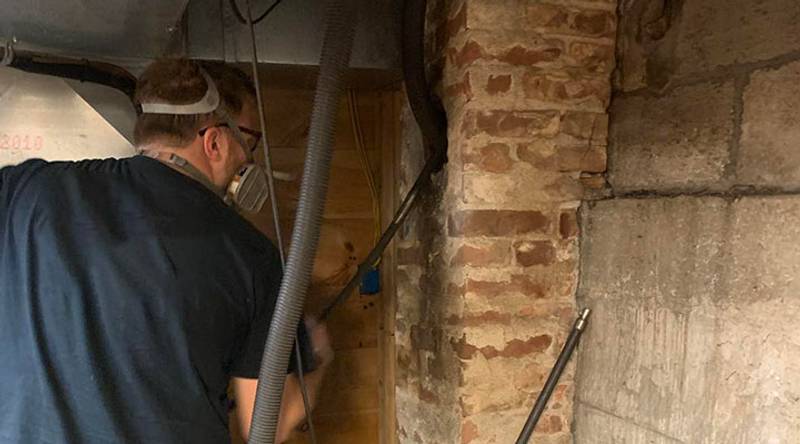
We perform chimney inspections at Friendly Fire with certified professionals who know what to look for, what to document, and when to escalate.
What CSIA Certification Actually Requires
CSIA certification is the industry’s most recognized professional credential for chimney service technicians, and it’s not easy to earn. Candidates must pass a comprehensive written examination covering chimney construction, combustion science, creosote hazards, venting systems, and applicable safety codes including NFPA 211.
Certified technicians must also complete continuing education requirements to maintain their credentials. This matters because chimney technology, fuel appliances, and building codes evolve. A CSIA-certified inspector working in St. Louis today is current on the standards that protect your home.
What separates a certified inspector from an uncertified one comes down to three things:
- Standardized training in chimney systems, not just general contracting experience
- Knowledge of inspection protocols under NFPA 211 and CSIA guidelines
- Accountability — certified inspectors can lose their credentials for substandard work
When you ask a chimney company whether their technicians are CSIA certified, you should get a direct “yes” with a credential number. If you get a vague answer, that’s your answer.
The Three Inspection Levels — and When You Need Each One
CSIA defines three distinct chimney inspection levels, and understanding them helps you have an informed conversation with your inspector before work begins. Each level covers a different scope, and recommending the right one is itself a sign of competency.
Level 1 is the standard annual inspection. Per NFPA 211, chimneys should be inspected at least once a year for soundness, freedom from deposits, and proper clearances. A Level 1 covers all readily accessible exterior and interior areas — the firebox, smoke chamber, damper, accessible flue liner sections, and chimney exterior. This is what most homeowners need every year.
Level 2 is required in specific circumstances. NFPA 211 calls for a Level 2 inspection when a home is sold, after a chimney fire has occurred, or when the fuel type or appliance is changed. It includes everything in Level 1, plus accessible areas of attics, basements, and crawlspaces — and critically, includes video scanning of the full flue interior. This is the inspection that catches hidden liner cracks and mortar failures invisible to the naked eye.
Level 3 is reserved for suspected serious structural damage in concealed areas. It may involve removing portions of walls or ceilings to access the chimney structure. Rare, but necessary when evidence from a Level 2 inspection points to a deeper problem.
We’ve got a detailed breakdown in our guide to chimney inspection levels explained.
What a Certified Inspector Examines — and Why It Matters
A thorough chimney inspection covers far more than whether the flue is dirty. A certified inspector systematically evaluates each component of the chimney system for safety, code compliance, and operational integrity. Miss a single component, and a dangerous defect can slip through.
Here’s what a professional inspection covers:
- Flue liner condition — cracks, spalling, or missing sections that allow combustion gases to escape into the home
- Creosote buildup — especially Stage 2 and Stage 3 deposits, which per verified data can auto-ignite at temperatures as low as 451°F
- Chimney crown and cap — missing or deteriorated crowns allow water intrusion; NFPA 211 addresses cap design requirements
- Masonry condition — mortar joint deterioration and spalling brick driven by Missouri’s freeze-thaw cycles
- Damper operation — a stuck or missing damper affects both draft and energy efficiency
- Clearances to combustibles — NFPA 211 sets specific clearance requirements for interior chimneys
Our chimney sweeping service often follows an inspection, because a clean flue is the baseline for accurate assessment. An inspector evaluating a flue caked in heavy deposits can’t fully assess the liner surface beneath them.
And Missouri’s climate adds a layer of urgency. Water expands by approximately 9% when it freezes, and that physical force applied repeatedly to mortar joints and flue tiles is what causes the cracking and spalling we see in older St. Louis homes. Our post on common chimney problems in older St. Louis homes covers this in detail.
When You Must Get a Certified Chimney Inspection
There are specific situations that make a certified chimney inspection non-negotiable, and most homeowners encounter at least one of them. Waiting for a “convenient time” after any of these events significantly increases your risk.
Get a certified inspection immediately if any of these apply:
- You’re buying or selling a home — NFPA 211 calls for a Level 2 inspection at change of ownership. This protects buyers from inheriting a fire hazard.
- You’ve experienced a chimney fire — even a small one. The intense heat can crack the flue liner and compromise the entire system. A Level 2 inspection is necessary after any evidence of damage.
- You’re switching fuel types — going from wood to gas, or adding a fireplace insert, changes the combustion chemistry and flue requirements.
- You’ve noticed water stains, efflorescence on the masonry, or a damaged chimney crown — signs that water is already inside the system.
- Your carbon monoxide detector has alarmed — this is an emergency. The CDC reports that more than 400 Americans die from unintentional carbon monoxide poisoning every year.
And even without any of these triggers, the CSIA recommends annual inspections for all fuel types. If you’ve got a gas fireplace and assume it needs no attention, that’s a dangerous assumption. Gas combustion produces water vapor, carbon dioxide, and carbon monoxide — all of which can cause flue deterioration and back-drafting if the system isn’t properly maintained.
Red Flags When Evaluating a Chimney Inspector
Not every company advertising chimney services in St. Louis employs certified professionals. Knowing the red flags protects you from paying for an inspection that isn’t worth the paper it’s written on.
Watch for these warning signs:
- No CSIA or NFI certification — technicians should be able to provide their credential number on request
- No written report — a legitimate inspection produces documentation of findings, photos, and recommendations
- Pressure to approve repairs immediately — certified inspectors present findings; they don’t manufacture urgency to close a sale
- No mention of inspection levels — an inspector who doesn’t distinguish between Level 1, 2, and 3 doesn’t understand the protocol
- No proof of insurance — chimney work inside your home requires both liability insurance and worker’s compensation coverage
The right inspector will explain what they found, show you documentation, and give you time to make informed decisions about any recommended repairs. If that’s not the experience you’re having, it’s worth making a different call.
If masonry damage is found during inspection, you can learn more about what’s involved in our masonry repair services page.
Schedule Your Certified Chimney Inspection in St. Louis
Every season you delay a chimney inspection is a season you’re exposing your home to risks that a single appointment could prevent. Chimney fires, carbon monoxide intrusion, and structural deterioration don’t give advance warning — and the cost of the inspection is a fraction of what emergency repairs or fire damage recovery costs.
We serve Woodson Terrace, MO and the greater St. Louis metro area with certified chimney inspections performed by trained professionals. Licensed and insured. We donate 10% of every dollar of revenue to charity. Military personnel, first responders, fixed-income households, and non-profit organizations receive a 10% discount on all services.
Call us today at (314) 322-7122 to schedule your inspection. Don’t wait for smoke damage or a carbon monoxide alarm to tell you what a certified inspector would have caught first.
Joshua Scalf
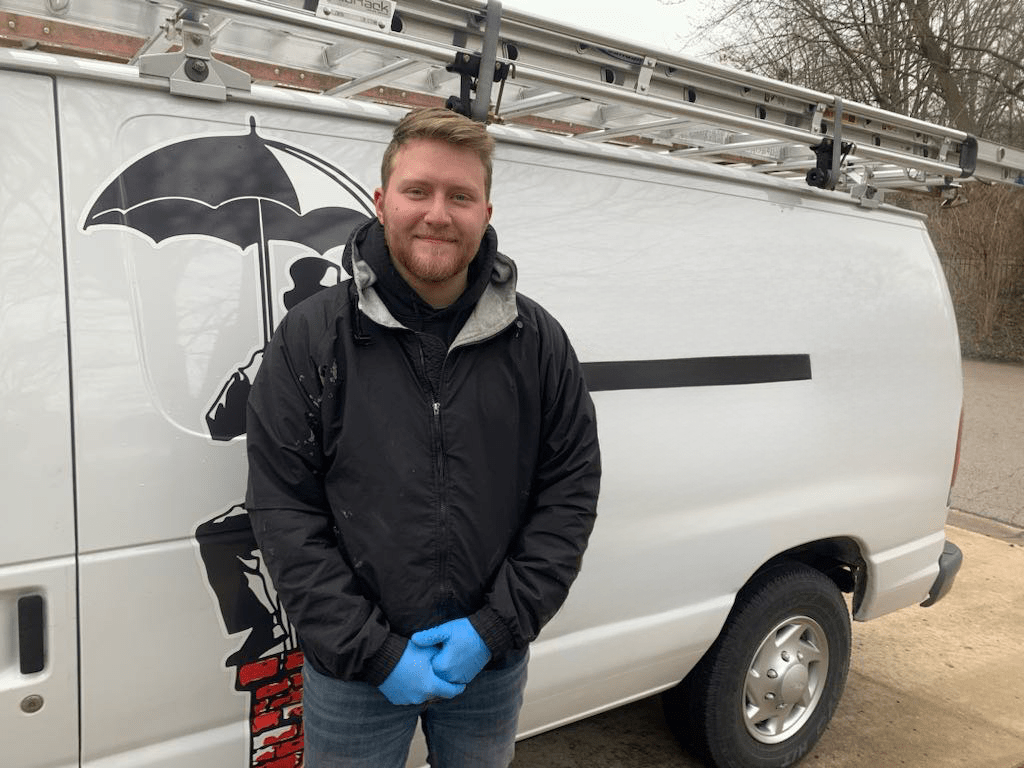
Owner, Friendly Fire LLC
Joshua Scalf is the owner and lead technician at Friendly Fire LLC, bringing over 6 years of chimney service expertise to the greater St. Louis area.
Frequently Asked Questions
What does it mean for a chimney inspector to be CSIA certified?
How often should I have my chimney inspected in St. Louis?
Do I really need an inspection if I don't use my fireplace often?
What is the difference between a Level 1, Level 2, and Level 3 chimney inspection?
Is a certified chimney inspection required when buying or selling a home in Missouri?
Need Chimney Service?
Don't wait until a small problem becomes an expensive repair. Friendly Fire serves the greater St. Louis area with honest, affordable chimney services.
Licensed & insured · 10% donated to charity · Military & first responder discounts
Related Articles
Complete Chimney Services in St. Louis: What Every Homeowner Needs to Know
Don't risk a chimney fire or carbon monoxide leak. Discover the complete chimney services St. Louis homeowners need to stay safe — and what you're losing by…
What to Expect During a Chimney Sweep Appointment: A Complete Homeowner's Guide
Don't skip your chimney sweep appointment. Learn exactly what happens step-by-step and what you risk by waiting. Serving St. Louis homeowners.
Chimney Cleaning in St. Louis: What Every Homeowner Needs to Know
Skipping chimney cleaning in St. Louis puts your home at risk. Learn what's at stake, how often to clean, and when to call a pro before it's too late.