
Chimney Sweeping in Belleville, IL: What Every Homeowner Needs to Know
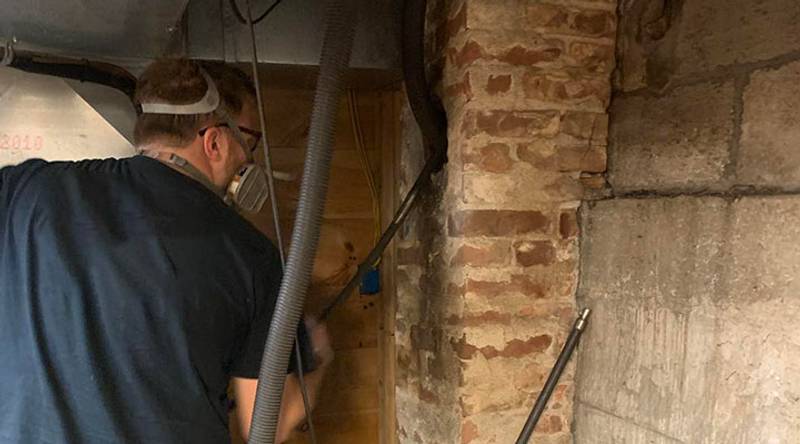
Belleville Homeowners Risk Chimney Fires Every Winter
Chimney fires happen. A lot. The Chimney Safety Institute of America (CSIA) reports roughly 25,000 annually across the U.S., and we see them often enough to know the culprit: creosote buildup left sitting in your flue liner.
Winter in Belleville, IL and across the St. Louis metro creates perfect conditions for creosote to pile up. Every fire you burn deposits a layer of combustion byproduct on the flue interior. Those layers harden. They accumulate. And eventually, they become a serious fire hazard.
The upside? This risk is almost entirely preventable. A professional chimney sweeping removes creosote before it gets dangerous. A chimney inspection catches structural problems before they turn expensive.
If your chimney hasn’t been serviced in the past 12 months, you’re playing with fire. The National Fire Protection Association (NFPA) found that failure to clean chimneys was a factor in 68% of home structure fires tied to fireplaces and chimney connectors. That should get your attention.
What Chimney Sweeping Actually Does
A professional chimney sweep removes creosote, clears blockages, and leaves your flue liner clean and ready to use. This isn’t surface-level work — it’s the most effective step you can take to prevent a chimney fire.
Here’s what we do:
- Pre-service inspection — Our technician examines the firebox, damper, smoke shelf, and accessible flue sections before we touch anything.
- Creosote removal — Specialized brushes and rotary tools break down and remove deposits from the liner walls. Stage 1 (light, flaky soot) comes off easily. Stage 2 (dense, tar-like coating) takes more work. Stage 3 (thick, glazed deposits) may need chemical treatment before mechanical removal.
- Debris clearance — Animal nests, leaves, and other blockages get pulled from the flue and cap area.
- Containment cleanup — All soot and debris are vacuumed and contained. Your home stays clean.
- Post-sweep assessment — We review findings and flag any issues needing repair.
Stage 3 glazed creosote is the real danger — it auto-ignites at temperatures as low as 451°F, well within normal fire range. Don’t let it get there. Our guide to creosote buildup breaks down how it develops and what you can do about it.
Why Belleville Homes Face Specific Chimney Risks
Illinois winters attack chimneys from two directions: creosote buildup and masonry decay. Belleville sits in the St. Louis metro where temperatures swing between hard freezes and mild spells — a pattern that destroys chimney masonry.
Freeze-thaw damage is relentless. Water expands roughly 9% when it freezes. Moisture that gets into mortar joints, bricks, or the crown then freezes forces the masonry apart from inside. After a few seasons of this, you’re looking at crumbling mortar, spalling brick faces, and crown cracks that let even more water in.
And our winters breed the slow, smoky fires that generate the most creosote. Unseasoned or green wood — with high moisture content — burns incomplete, sending unburned gases up the flue where they condense into creosote. Properly seasoned hardwood with moisture below 20% burns far more completely and cuts buildup dramatically.
Older Belleville homes often have clay tile flue liners that have cracked over decades of thermal stress. A cracked liner isn’t cosmetic. It’s a direct heat pathway to combustible framing. Damaged or deteriorated liners must be fixed before the appliance runs again.
Our article on common chimney problems in older St. Louis homes covers what aging chimneys face in this region.
Annual Inspection Is the Standard, Not an Option
NFPA 211 calls for annual inspection of all chimneys, fireplaces, and vents — no matter the fuel type or how often you use your fireplace. This isn’t just for wood-burners. Gas fireplaces, pellet stoves, furnace chimneys. All of them.
CSIA aligns with this standard. Annual inspection and service. Every fuel type. You can’t assess creosote levels, blockage risk, or structural damage from your couch.
Three inspection levels exist, and knowing which one you need matters:
- Level I — For chimneys in continued service with no changes. Covers accessible exterior and interior portions, including the firebox and visible flue.
- Level II — Required when buying or selling a home, changing fuel types, or after a chimney fire or major weather event. Level II includes video scanning of the flue interior.
- Level III — Used when concealed structural damage is suspected. Involves removing components to access hidden areas.
Our guide to chimney inspection levels explained breaks down what each covers in detail.
Recently bought a home in Belleville? Start with a Level II inspection. Regardless of what the previous owner says was done. A Level II inspection is the standard when property changes hands.
What Happens If You Skip the Sweep
Skipping annual chimney service doesn’t just leave you with a dirty flue — it puts your entire house at risk. The consequences stack. And they cost.
Here’s what happens:
- Chimney fires — Ignited creosote burns at extreme temperatures, damages or destroys the liner, spreads to framing, or ignites the roof. Repair bills run into the thousands or tens of thousands.
- Carbon monoxide intrusion — A blocked or cracked flue forces combustion gases, including carbon monoxide (CO), back into your home. The CDC reports over 400 Americans die from unintentional CO poisoning annually, with more than 100,000 visiting emergency rooms. CO is colorless and odorless. A detector is your only defense.
- Accelerating masonry damage — An uninspected chimney develops small problems that quietly become expensive ones. Cracked crowns, failed mortar joints, and deteriorating flashing all invite water intrusion that worsens with freeze-thaw cycles.
- Blocked flue from animal nesting — Birds, squirrels, and raccoons routinely enter uncapped chimneys, especially in spring. A nest completely blocks the flue and you won’t see it from below.
NFPA data on home heating fires (2019–2023) puts real numbers on the risk: an estimated 38,881 home heating fires per year, causing 432 civilian deaths, 1,352 injuries, and $1.1 billion in property damage annually.
Don’t become a statistic. Our chimney sweeping guide for home safety and fire prevention covers the full scope of what’s at stake.
Other Services Belleville Homeowners Should Know About
Chimney sweeping is often just the beginning — many Belleville homes need additional work that’s easy to miss until something fails.
Masonry Repair and Tuckpointing
Crumbling mortar, spalling bricks, or a cracked crown means trouble ahead. Those issues need fixing before water damage spirals. We handle masonry repair including tuckpointing, crown repair, and brick restoration. Our comparison of tuckpointing vs. repointing explains what each approach involves.
Fireplace Inserts
Open fireplaces lose more heat than they produce. Traditional designs leak over 90% of fire heat straight up the chimney according to EPA data. A fireplace insert changes that. EPA-certified wood-burning inserts operate at 60–80% efficiency. We install fireplace inserts for Belleville homeowners ready to turn a decorative fireplace into an efficient heat source. Our breakdown of wood, gas, and pellet insert options helps you pick the right fit.
Dryer Vent Cleaning
While fire safety is on your mind, don’t forget the dryer vent. Lint buildup in dryer ducts is a serious fire hazard — failure to clean the dryer was the leading factor in one-third of home dryer fires per NFPA data. We offer professional dryer vent cleaning that cuts fire risk and boosts dryer efficiency. Our article on why dryer vent cleaning prevents house fires explains what’s on the line.
We serve Belleville and the greater St. Louis metro area.
Schedule Your Belleville Chimney Sweep Today
Every week you wait is another week your fireplace runs without a safety check. A neglected chimney doesn’t warn you before it becomes a crisis. It just burns.
Friendly Fire Chimney serves Belleville, IL and the greater St. Louis metro from Woodson Terrace, MO. We’re licensed and insured, and we donate 10% of every revenue dollar to charity. Military personnel, first responders, fixed-income households, and non-profit organizations get a 10% discount on all services.
Call us at (314) 322-7122 to schedule your sweep or inspection. For homeowners who take chimney safety seriously, there’s no better moment than now.
Joshua Scalf
Owner, Friendly Fire LLC
Joshua Scalf is the owner and lead technician at Friendly Fire LLC, bringing over 6 years of chimney service expertise to the greater St. Louis area.
Frequently Asked Questions
How often should I get my chimney swept in Belleville, IL?
Is chimney sweeping really necessary if I don't use my fireplace that often?
How much does a chimney sweep cost in Belleville, IL?
Do gas fireplaces in Belleville need to be swept too?
Does Friendly Fire serve Belleville, IL and nearby communities?
Need Chimney Service?
Don't wait until a small problem becomes an expensive repair. Friendly Fire serves the greater St. Louis area with honest, affordable chimney services.
Licensed & insured · 10% donated to charity · Military & first responder discounts
Related Articles
Chimney Sweep Services in Woodson Terrace, MO: What Every Homeowner Needs to Know
Don't risk a chimney fire this winter. Friendly Fire provides expert chimney sweep services in Woodson Terrace, MO. Annual inspections starting with a call.
How Often Should You Get Your Chimney Swept? The Complete Homeowner's Guide
Don't risk a chimney fire this season. Learn exactly how often you should get your chimney swept based on fuel type, usage, and NFPA 211 guidelines.
Chimney Maintenance in St. Louis: The Complete Homeowner's Guide
Skip chimney maintenance in St. Louis and risk chimney fires, carbon monoxide leaks, and costly repairs. Learn what your chimney needs—and when—to stay safe.